




Bubble Wrap vs Foam vs Paper Fill: Which Protects Best?
Estimated Reading Time: 6 minutes
Key Takeaways
- Bubble wrap provides flexible cushioning for fragile and irregular items.
- Foam helps cushion products while protecting delicate surfaces.
- Paper fill is useful for filling gaps and reducing movement.
- Combining materials can provide better protection for fragile shipments.
- Right-sized packaging helps reduce unnecessary material use.
When you're packing products for shipping, the protective material inside the box can make a big difference. Too little protection can lead to damaged goods, while too much adds unnecessary material, weight, and packing time.
Bubble wrap, foam, and paper fill are three common options, but they don't all protect products in the same way. Bubble wrap provides flexible cushioning, foam offers soft surface protection, and paper fill is useful for stopping products from moving around inside a carton. So, which one should you choose? It really comes down to what you're sending, how fragile it is, and the type of protection it needs.
Difference Between Bubble Wrap, Foam and Paper Fill
Although all three materials help protect products during shipping, they solve slightly different problems. Bubble wrap uses sealed air pockets to cushion products against knocks and impacts. Because it's lightweight and flexible, it can wrap closely around products of different shapes and sizes. Foam provides a soft cushioning layer and can be particularly useful when you want to protect delicate surfaces from scratches or rubbing. Depending on the format and density, foam can also provide cushioning against impacts and vibration.
Paper fill is primarily used to fill empty spaces inside cartons. Crumpled kraft paper can help brace products and limit movement, while paper wrapping products can provide additional cushioning around individual items. The important bit is matching the material to the problem you're trying to solve.
When Does Bubble Wrap Offer Better Protection?
Bubble wrap is a useful all-rounder when you're shipping fragile or irregularly shaped products. The air pockets create a cushioning layer around the item, helping absorb some of the impacts and vibration that can occur during handling. It's commonly used for glassware, ceramics, homewares, electronics, bottles, and other products that need individual cushioning. Because the material bends easily, you can wrap corners, edges, and unusual shapes without needing a custom insert.
For particularly delicate products, you may need more than one layer. You can also combine bubble wrap with a correctly sized box and additional void fill so the wrapped item can't move around during transit. Awesome Pack's protective packaging range includes options for different products and packing setups.
When Should You Choose Foam Instead?
Foam can be useful when surface protection is just as important as cushioning. Its smooth texture helps create a barrier between delicate surfaces and other packaging materials, reducing direct rubbing during handling and transport. That makes foam worth considering for products with polished, painted, coated, or easily marked surfaces. Electronics, glass, furniture components, and other sensitive items may also benefit from an additional foam layer.
The amount and type of foam you need will depend on the product and the expected shipping conditions. A lightweight item might only need a thin protective layer, while heavier or particularly sensitive goods may require thicker or more structured cushioning. It's worth testing your complete packaging setup rather than relying on the cushioning material alone. The box, internal space, and positioning of the product all influence how well the parcel performs.
When Is Paper Fill the Better Choice?
Paper fill comes into its own when the main problem is empty space inside the carton. If a product can slide from one side of the box to the other, even good cushioning may not be enough to protect it. Crumpled paper can be placed around the product to brace it and reduce movement. It's particularly practical for products that are already fairly robust but still need to stay securely positioned during shipping.
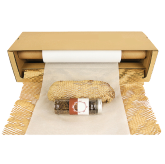
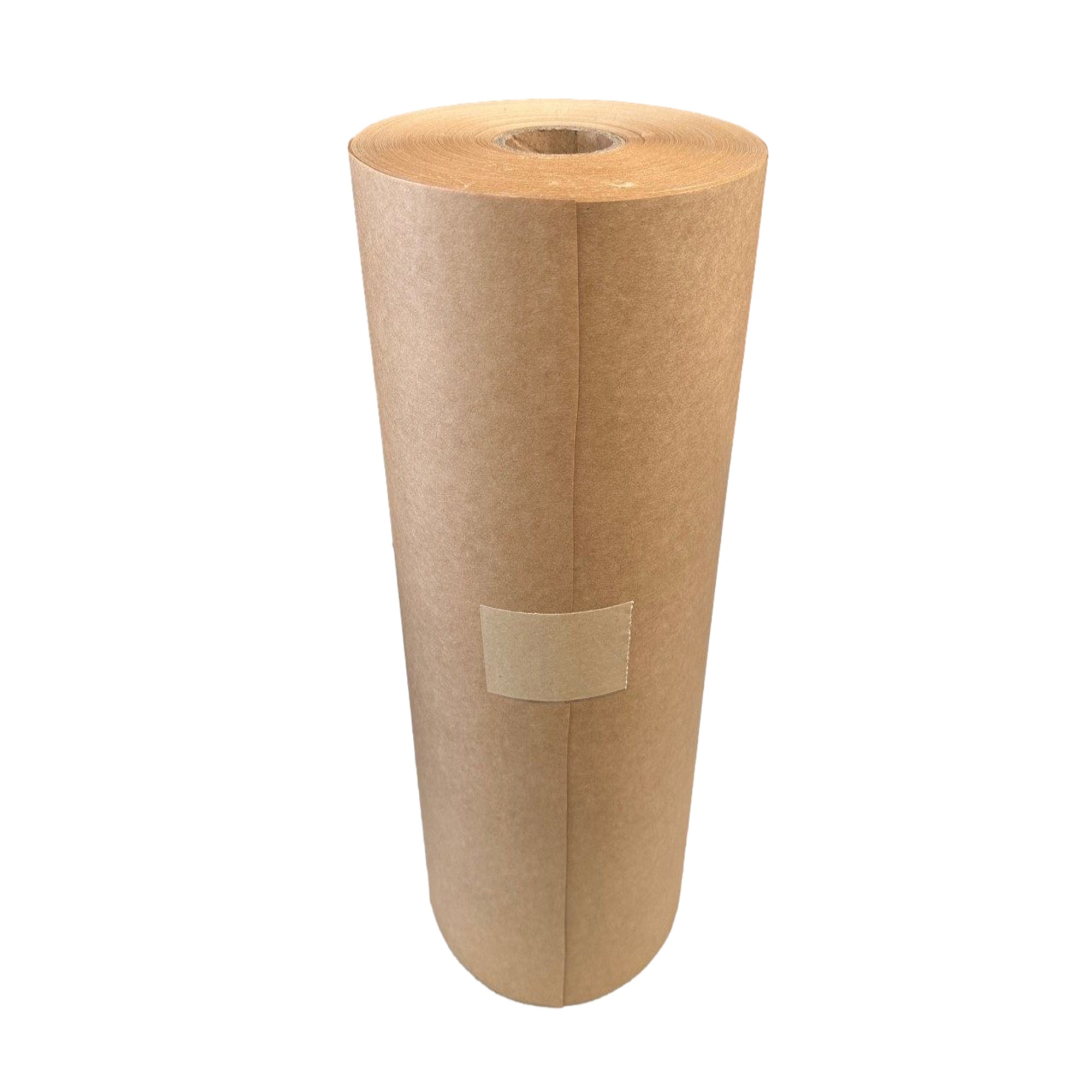
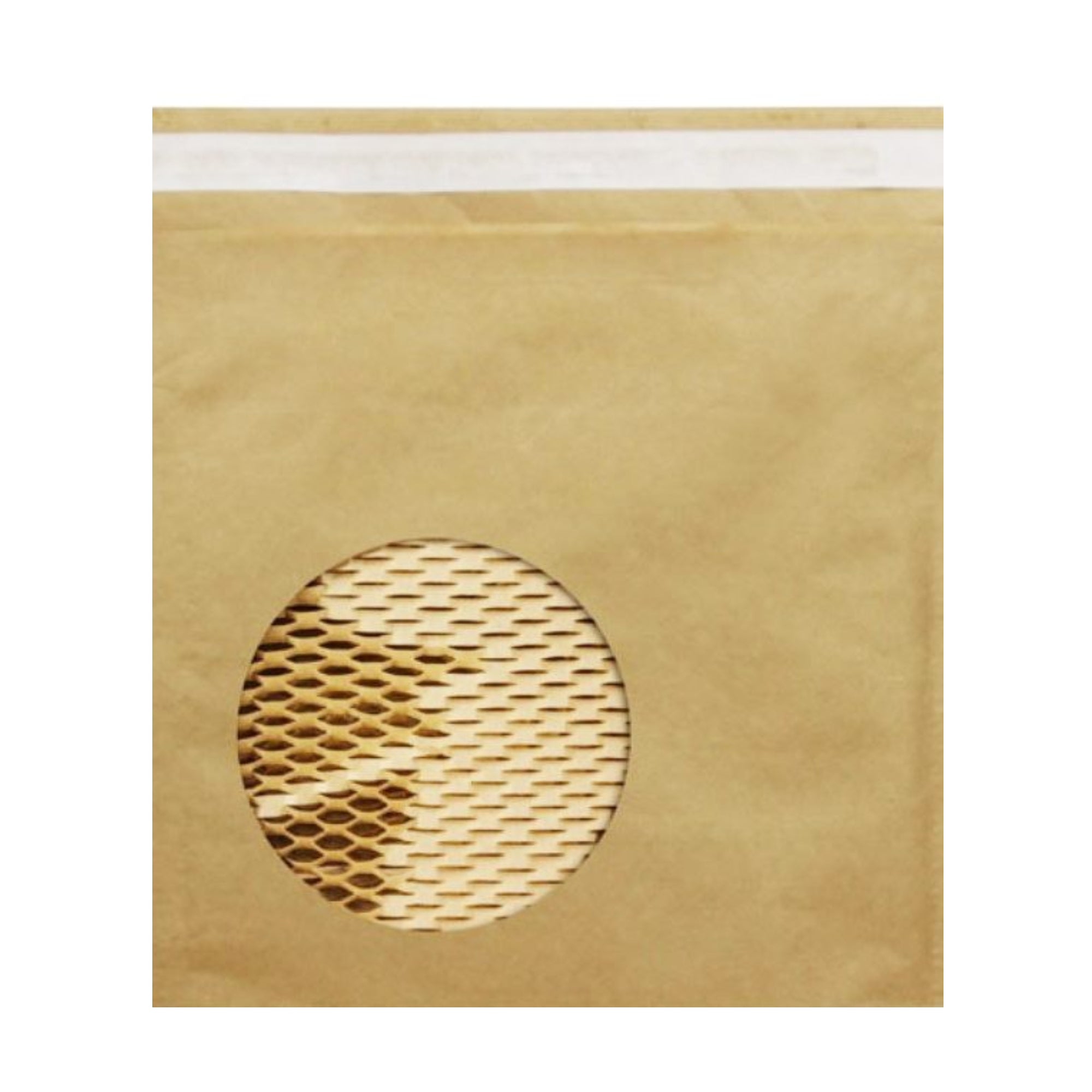
Paper-based protection can also suit businesses looking to reduce plastic in their packaging. Awesome Pack's kraft paper rolls can be used for wrapping and filling applications, while honeycomb paper wrap offers another paper-based option for wrapping products. For very fragile items, though, paper fill may work better alongside dedicated cushioning rather than as the only protective layer.
Which Material Protects Fragile Products Best?
There's no single winner for every fragile product. What matters is the type of risk your item faces. Bubble wrap is particularly useful when you need flexible impact cushioning around an individual product. Foam can make more sense when the surface itself needs protection, while paper fill is helpful for preventing movement within the carton.
For something like a ceramic vase, for example, you might wrap the vase in bubble wrap and use paper fill around it to stop it moving. A polished electronic device might benefit from a soft protective layer before additional cushioning is added. This layered approach is often more practical than simply adding more of one material.
How Can You Avoid Overpacking Your Orders?
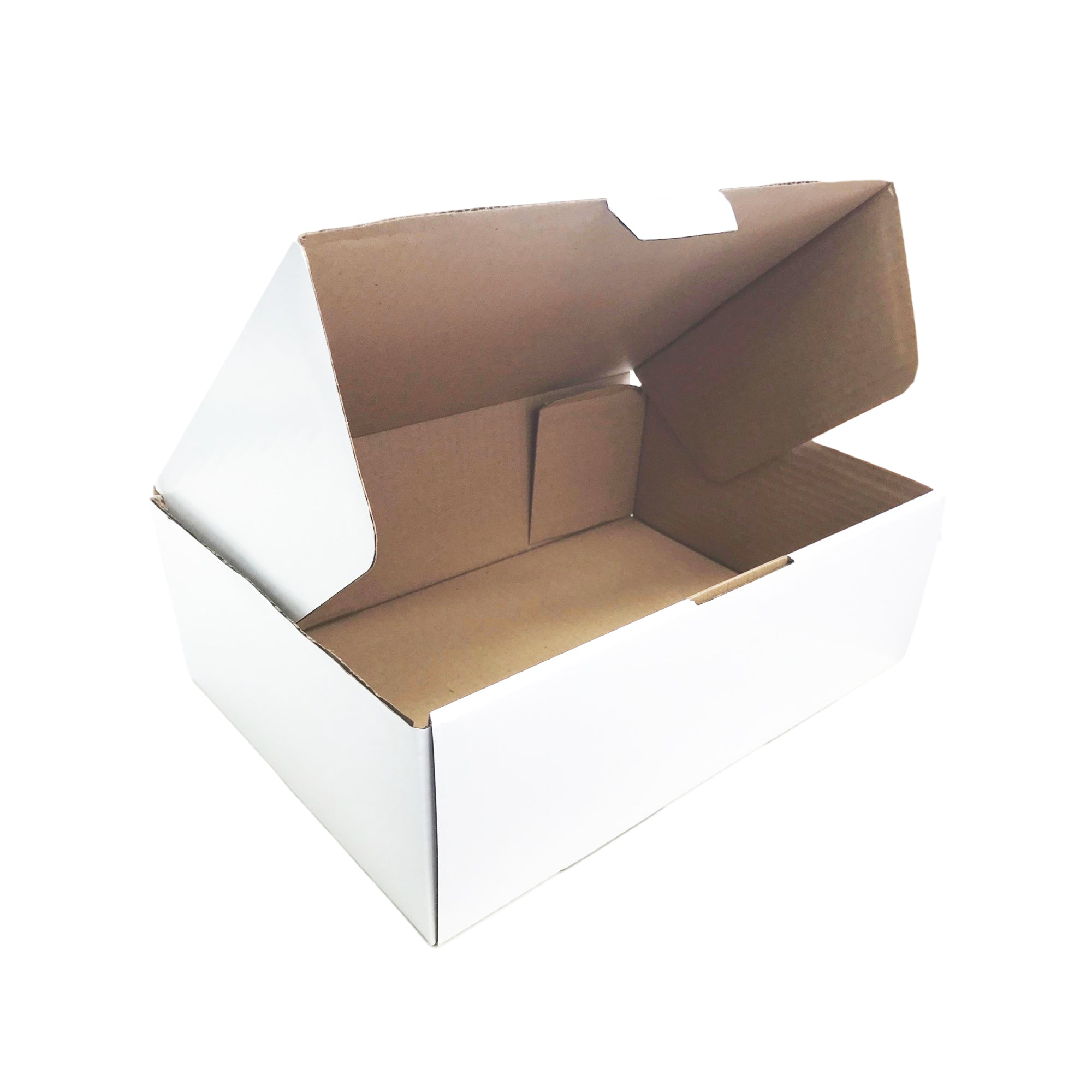
It's tempting to add another layer whenever you're unsure, but overpacking isn't necessarily better. It uses more material, takes longer to pack, and can increase parcel size. Start with a properly sized mailing box. There should be enough room for the necessary cushioning, but not so much that you're filling large empty spaces unnecessarily.
Then consider what the product actually needs. Does it need impact cushioning, surface protection, movement control, or a combination of these? Answering that question makes it much easier to choose the right material. It's also worth testing your packaging before standardising it across your operation. Check whether products remain securely positioned and whether corners, edges, and delicate surfaces have enough protection.
How Do Bubble Wrap, Foam and Paper Fill Compare for Sustainability?
Sustainability depends on more than whether a material is made from paper or plastic. How much material you use, whether it can be reused or recycled locally, and whether it actually prevents product damage all matter. Paper fill can be an appealing option for businesses trying to reduce plastic and may be recyclable where clean and accepted by local recycling services. Plastic cushioning materials may also have recycling options, but these can vary considerably by location and recycling program.
Reducing unnecessary packaging is a sensible place to start. Right-sized cartons and carefully chosen cushioning can help you use less material while still protecting the product. If reducing your packaging footprint is a priority, you can also explore Awesome Pack's eco-friendly packaging options.
Choose Protection That Fits the Product
Bubble wrap, foam, and paper fill all have their place. Bubble wrap is a flexible option for cushioning fragile items, foam can help protect sensitive surfaces, and paper fill is particularly useful for limiting movement inside the carton. Rather than asking which material is strongest overall, think about what could actually damage your product during shipping. Once you know whether impact, scratching, or movement is the main concern, choosing the right protection becomes much simpler.
At Awesome Pack, you'll find a range of packaging materials for everything from everyday eCommerce orders to fragile shipments. You can explore bubble wrap, protective packaging, honeycomb paper wrap, and kraft paper rolls depending on how your products need to be protected. The right solution might be one material or a combination. If you're unsure what makes sense for your products, contact the Awesome Pack team for help choosing a practical packaging setup.