





How to Choose Packaging Tape Based on Carton Weight, Handling & Environment
Key Takeaways
- Match tape to carton weight and board type, heavier or recycled cartons need wider tape, stronger adhesive, or water-activated paper tape.
- Handling and environment matter, cold, dusty, or rough conditions affect adhesion and should guide your tape choice.
- Cost-in-use beats roll price, using the right tape reduces re-seals, waste, and packing time.
Packaging tape might seem like a small detail, but it plays a big role in whether your parcels arrive safely or come back damaged. Choosing the right tape isn’t about picking the strongest option every time, it’s about matching the tape to your carton weight, how the parcel is handled, and the environment it moves through.
If you’ve ever dealt with cartons popping open, tape lifting in cold weather, or messy over-taping, chances are the tape just wasn’t suited to the job. This guide breaks it down simply, so you can seal smarter and avoid unnecessary waste or rework.
What Types of Packaging Tape Are Available
There’s no one-size-fits-all when it comes to packaging tape. Most businesses choose from four main types:
-
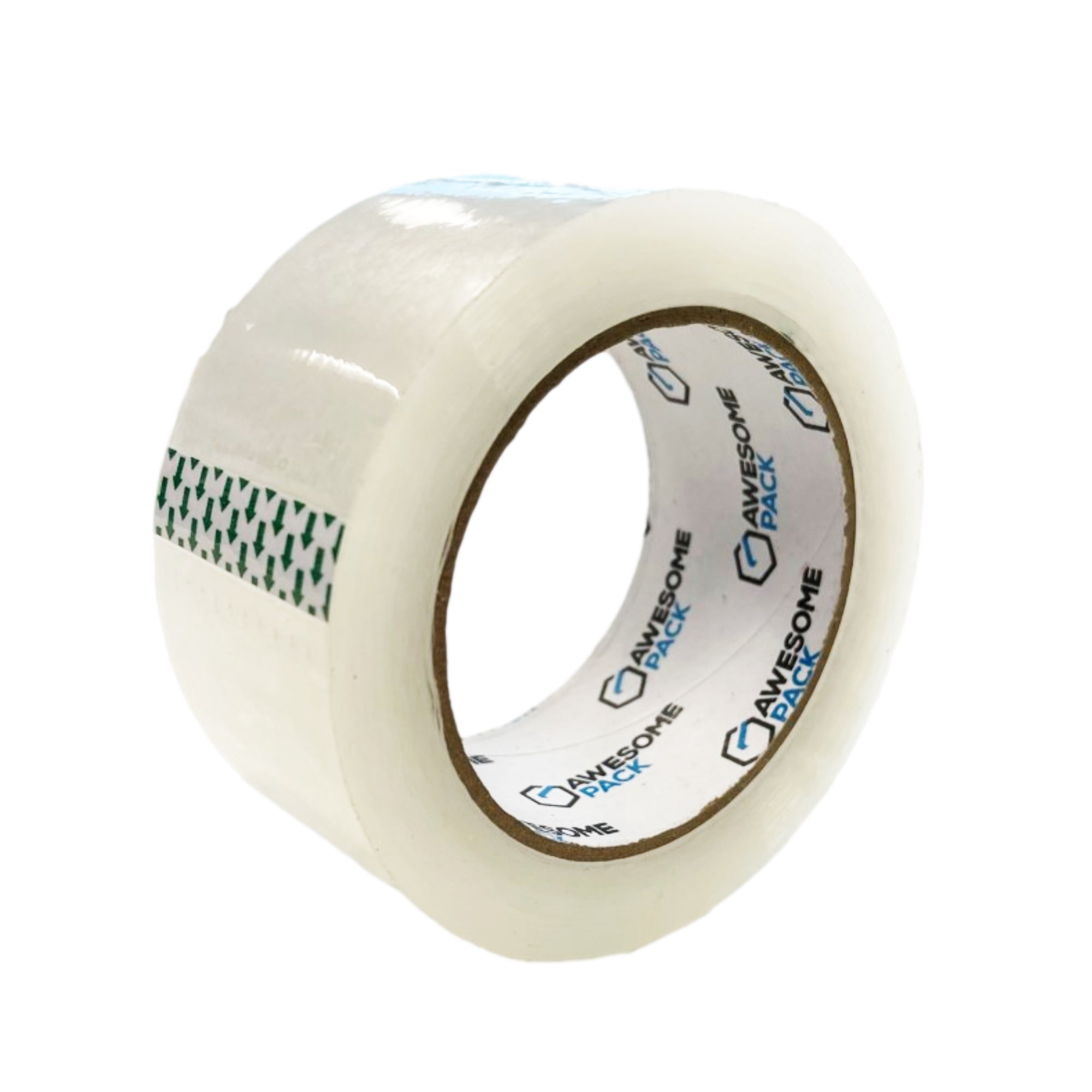
Polypropylene (PP) tape is the most common. It’s lightweight, cost-effective, and works well for general carton sealing. PP tape usually comes with either acrylic or hot-melt adhesive.
-
PVC tape uses a solvent adhesive, offering strong grip and quiet unwinding. It’s more flexible than PP and performs well under stress, but it’s usually a higher-cost option.
-
Self-adhesive kraft paper tape looks similar to clear plastic tape but uses a paper backing. It’s a good middle ground for businesses wanting a cleaner look without changing equipment.
-
Water-activated (gummed) paper tape uses a starch adhesive that bonds directly with carton fibres when moistened. It creates a strong, tamper-evident seal and is popular for heavier cartons and recycled board.
Difference Between Hot-Melt and Acrylic Adhesives
Hot-melt adhesive offers aggressive initial tack. It grabs quickly, even on recycled or dusty cartons, and performs better in cooler environments. Acrylic adhesive, on the other hand, cures over time. It’s quieter, clearer, and works best in warmer, stable conditions. If your warehouse temperature fluctuates or you use high recycled-content cartons, hot-melt often holds up better.
How Should Carton Weight and Board Type Influence Your Tape Choice?
Carton weight is one of the biggest factors when choosing tape. Lightweight cartons under 5 kg don’t need heavy-duty solutions, standard PP tape in a 48–50 mm width is usually enough. As carton weight increases, so do the forces on the seal. Heavier cartons, double-wall boxes, or cartons made from recycled board benefit from wider tape, stronger adhesive, or paper tape that bonds into the fibres. This is where water-activated kraft tape really shines, often sealing cartons securely with a single strip. For bulky or high-value shipments, using an H-seal (one strip down the centre seam and two across the edges) adds extra security without excessive tape use.
Which Tape Width and Thickness Works Best for Your Cartons?
For most applications, 48–50 mm tape is ideal. Step up to 70–72 mm for heavier cartons or softer board. Thickness matters too, heavier loads need higher-micron PP tape or reinforced paper tape to prevent splitting under pressure.
What Handling Conditions Will Your Parcels Face in Transit?
Think about what happens after a carton leaves your packing bench. Will it be dropped onto conveyors, stacked in cages, or travel long distances by road? If parcels are handled frequently or pass through multiple depots, tape failure becomes more likely. Water-activated paper tape offers excellent tamper evidence and holds firmly even after rough handling. For fast-moving lines where speed matters most, tougher grades of PP or PVC tape can still be a good fit. Returns are another factor. Parcels that need to stay sealed until delivery benefit from tape that clearly shows interference.
Do You Need Tamper Evidence or a Cleaner Presentation?
Gummed paper tape tears carton fibres if lifted, making tampering obvious. It also creates a neat, professional look, especially useful for branded or premium shipments. Self-adhesive kraft tape also improves presentation for businesses moving away from plastic without changing workflow.
Environmental Factors
Environment plays a bigger role than many people realise. Cold warehouses can cause acrylic adhesives to lose tack, while hot conditions may soften some tapes too much. Dusty or humid environments can also prevent proper adhesion. Hot-melt PP tape performs better in cooler rooms and on recycled cartons. Acrylic PP tape suits warm, stable environments. Water-activated tape is less affected by dust and rough carton surfaces because the adhesive penetrates the fibres instead of relying on surface stickiness. Always make sure carton flaps are clean and properly closed, overfilled boxes cause tape failure no matter how strong the adhesive.
Are poly mailers or coated boxes part of your workflow?
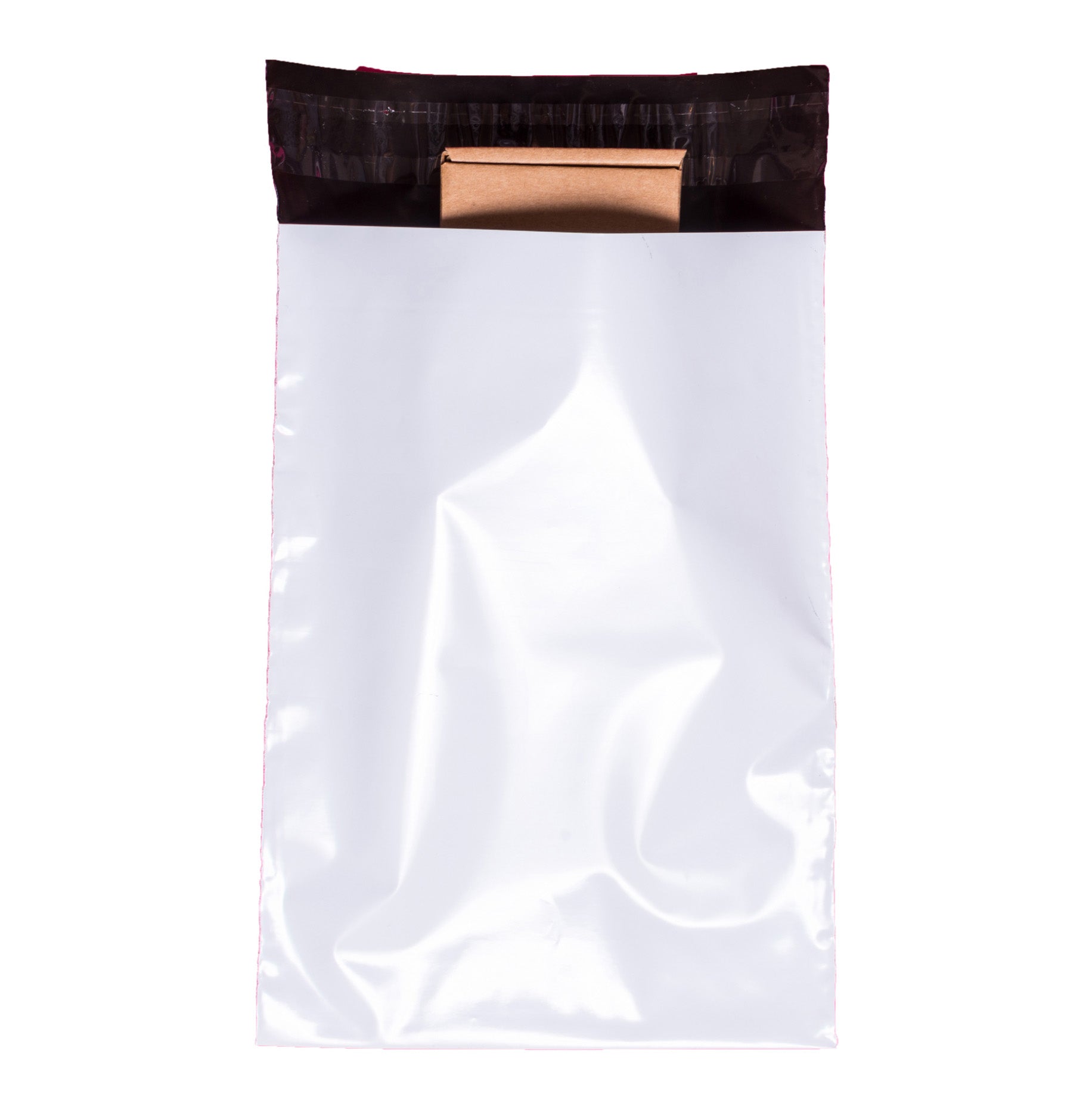
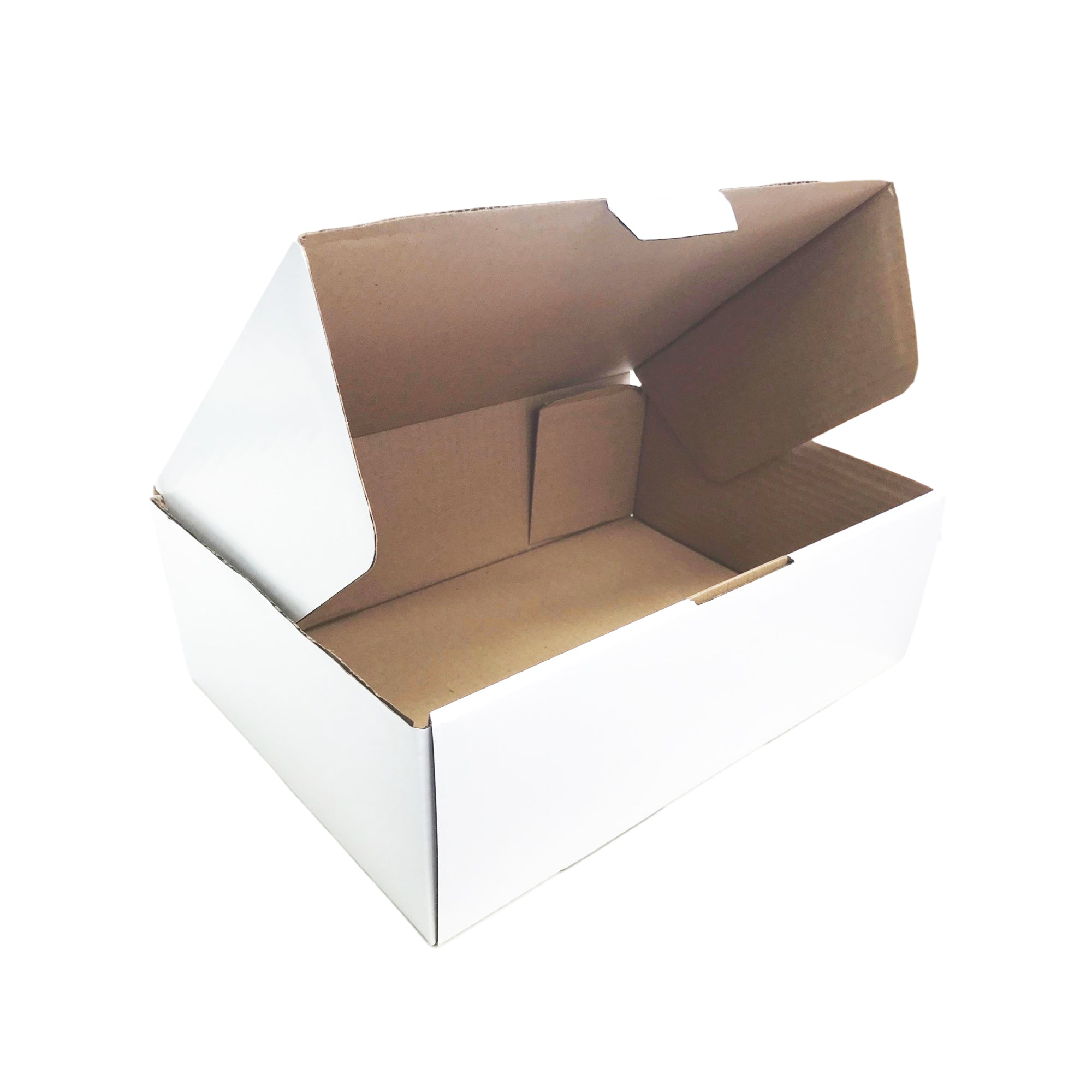
Paper tapes don’t perform as well on glossy or plastic surfaces. If you use poly mailers or coated cartons, PP or PVC tape is usually the better choice. Matching the tape to the right mailing boxes can prevent a lot of issues upfront.
How Can You Reduce Cost-In-Use Without Risking Failed Seals?
The cheapest roll isn’t always the cheapest option. Cost-in-use depends on how much tape you use per carton, how often seals fail, and how fast your team can pack. Water-activated tape often seals cartons with one strip, reducing overall tape usage and re-sealing. Preset lengths on dispensers also prevent over-taping. Standardising tape width and seal methods across your team improves consistency and cuts waste.
What simple tests prove your choice before rolling it out?
Run a one-week trial. Track how many strips you use per carton, how many cartons need re-sealing, and how quickly orders move through the bench. Comparing two tapes side-by-side makes the best choice clear very quickly.
What Tools Make Application Faster and More Consistent?
A good dispenser makes a noticeable difference. Handheld dispensers suit PP, PVC, and self-adhesive paper tape. For gummed tape, manual or electric water-activated dispensers ensure even wetting and consistent lengths. Positioning dispensers within arm’s reach and pre-setting common tape lengths helps speed up packing and reduce fatigue, especially during busy periods.
Buy the Right Tape and Matching Supplies in Australia
At Awesome Pack, we stock a full range of packaging tape, including water-activated tape for heavier cartons and tamper-evident sealing. You’ll also find matching mailing boxes and protective packaging to keep your shipments secure from start to finish. All orders come with free shipping and hassle-free returns. If you’re unsure which tape suits your cartons or environment, our team is always happy to help.
Choose Tape That Works With Your Packaging
The right packaging tape should feel almost invisible in your workflow quietly doing its job without constant fixes or overuse. By considering carton weight, handling conditions, and environment, you can choose tape that seals securely, reduces waste, and keeps orders moving smoothly. If you’d like help selecting the right option or want to test a new setup, contact us for practical, honest advice tailored to your business.