









How to Meet Retailer Requirements for Eco-Friendly Packaging
5 min read
If you’re supplying products to retailers, whether online marketplaces, boutique stores, or national chains, you’ve probably noticed one thing: eco-friendly packaging is no longer optional. Many retailers now have clear sustainability guidelines around materials, recyclability, labelling, and plastic reduction. And while the requirements can feel overwhelming at first, meeting them is usually more straightforward than it seems.
Let’s break down what retailers typically expect, where businesses get stuck, and how you can align your packaging with eco-friendly standards, without disrupting your workflow.
Why Are Retailers Tightening Eco-Friendly Packaging Requirements?
Retailers are under increasing pressure from customers, government policies, and sustainability targets. Shoppers are paying closer attention to how products are packaged, not just what they’re buying.
That means retailers often require:
- Recyclable or compostable packaging
- Reduced plastic content
- Clear disposal instructions
- Minimal excess packaging
- Sustainable sourcing (such as FSC-certified paper)
- For suppliers, this isn’t just about compliance. It’s also about protecting shelf space and maintaining partnerships. Meeting eco requirements shows you’re aligned with your retail partners’ values and that matters more than ever.
Materials Do Retailers Prefer for Sustainable Packaging
While each retailer has its own standards, most favour materials that are widely recyclable or compostable.
- Common preferred materials include:
- Corrugated cardboard made from recycled content
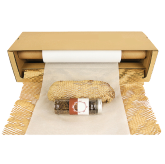
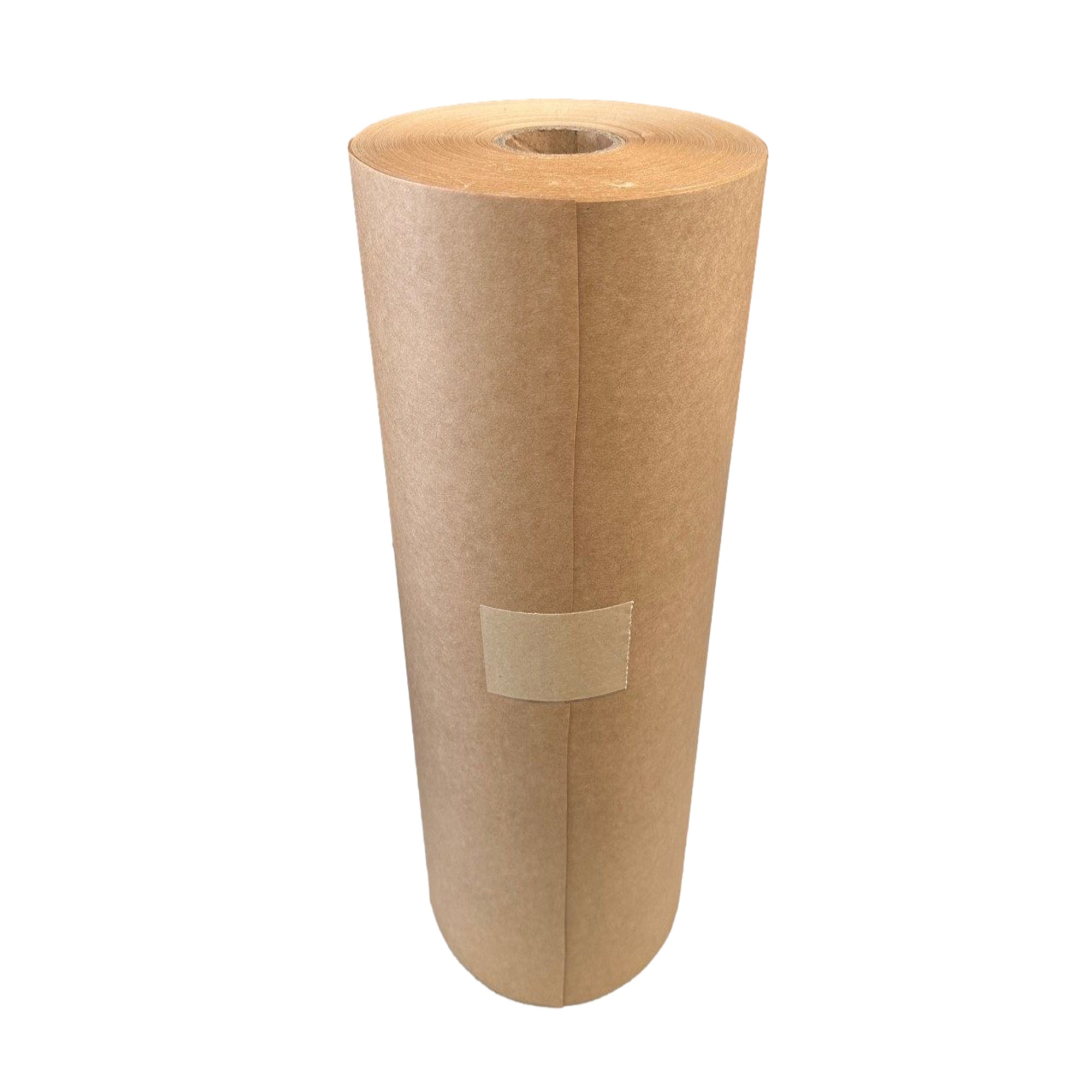
- Paper-based void fill instead of plastic air pillows
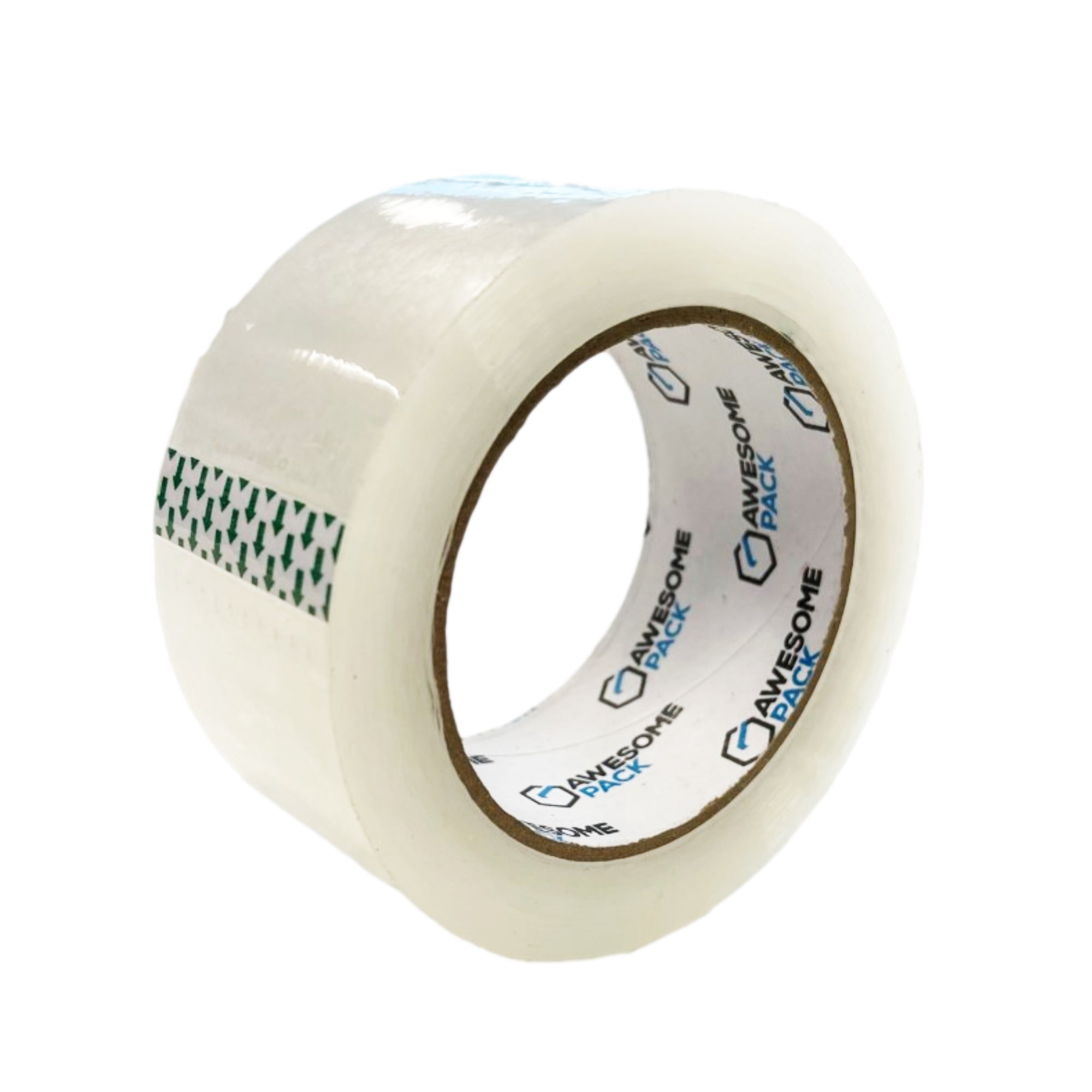
- Water-activated tape or kraft paper tape instead of plastic tape
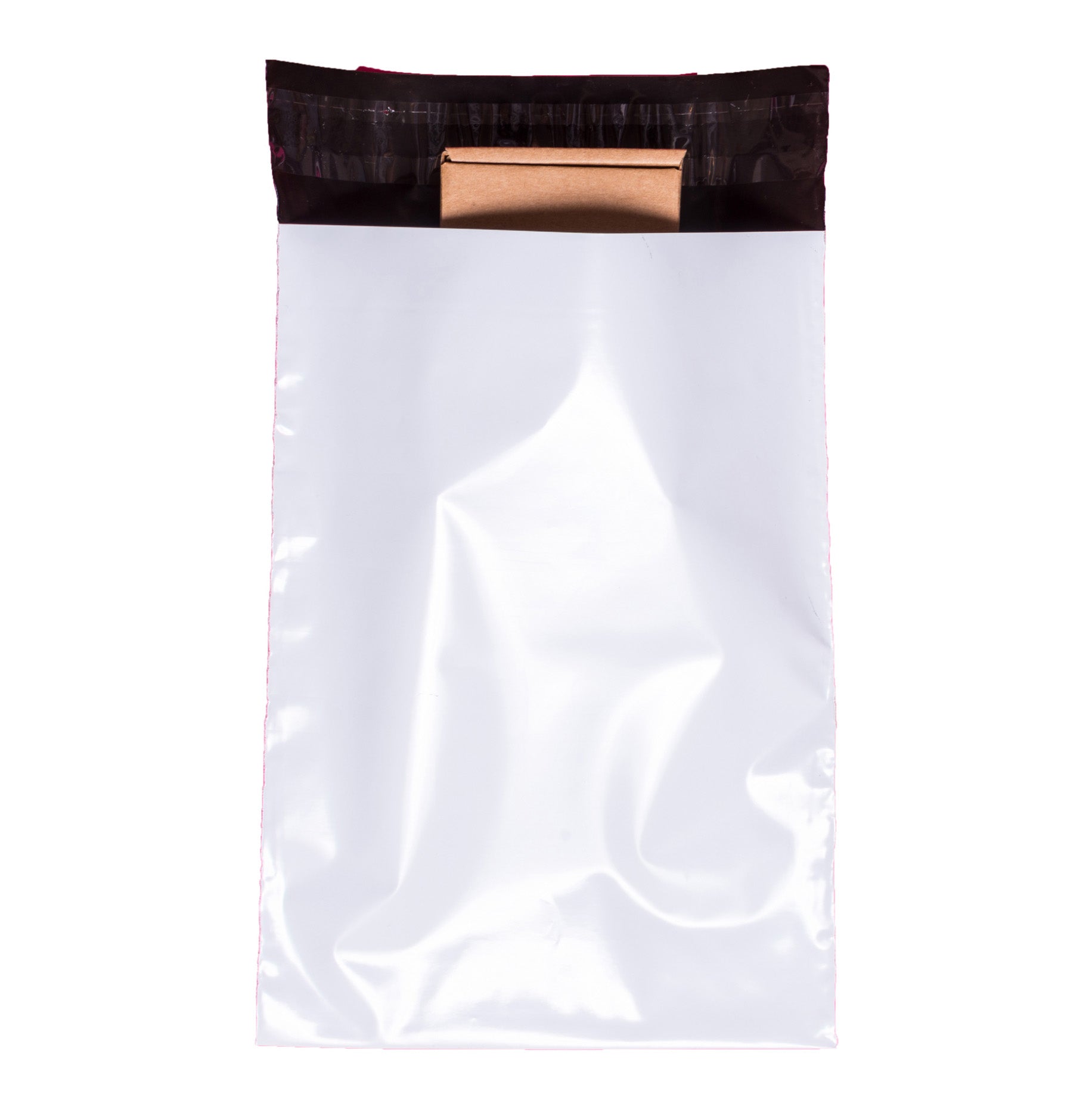
- Compostable satchels for soft goods
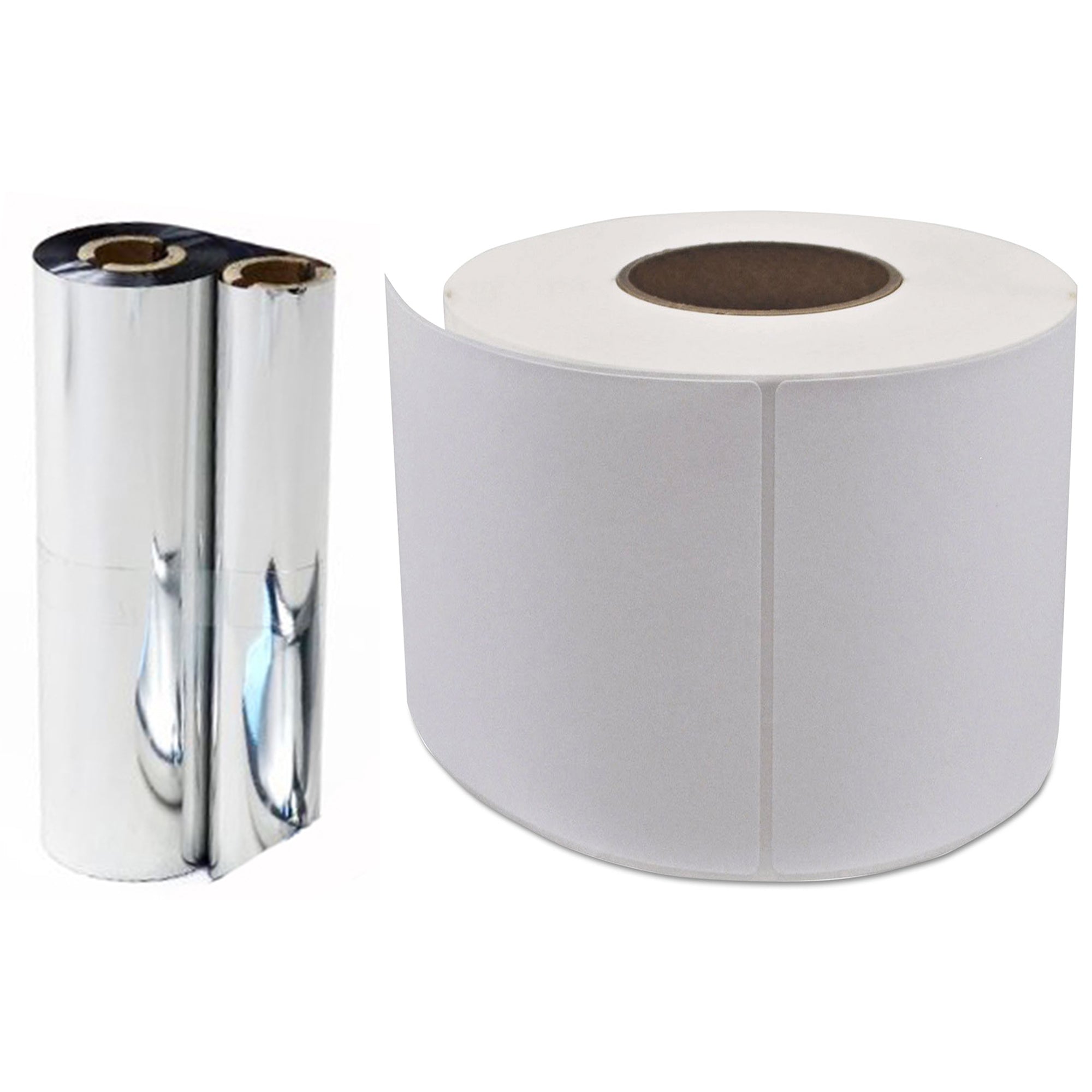
- Paper-based labels and recyclable adhesives
Switching to paper-based sealing solutions, like those in our packaging tape collection, can be one of the simplest upgrades. Retailers are also increasingly reviewing outer cartons, not just primary packaging, so your shipping materials matter too.
How Can You Reduce Plastic Without Compromising Protection?
This is where many suppliers hesitate. Reducing plastic sounds good in theory, but no one wants damaged goods or returns.
The key is choosing alternatives that still offer reliable protection. For example:
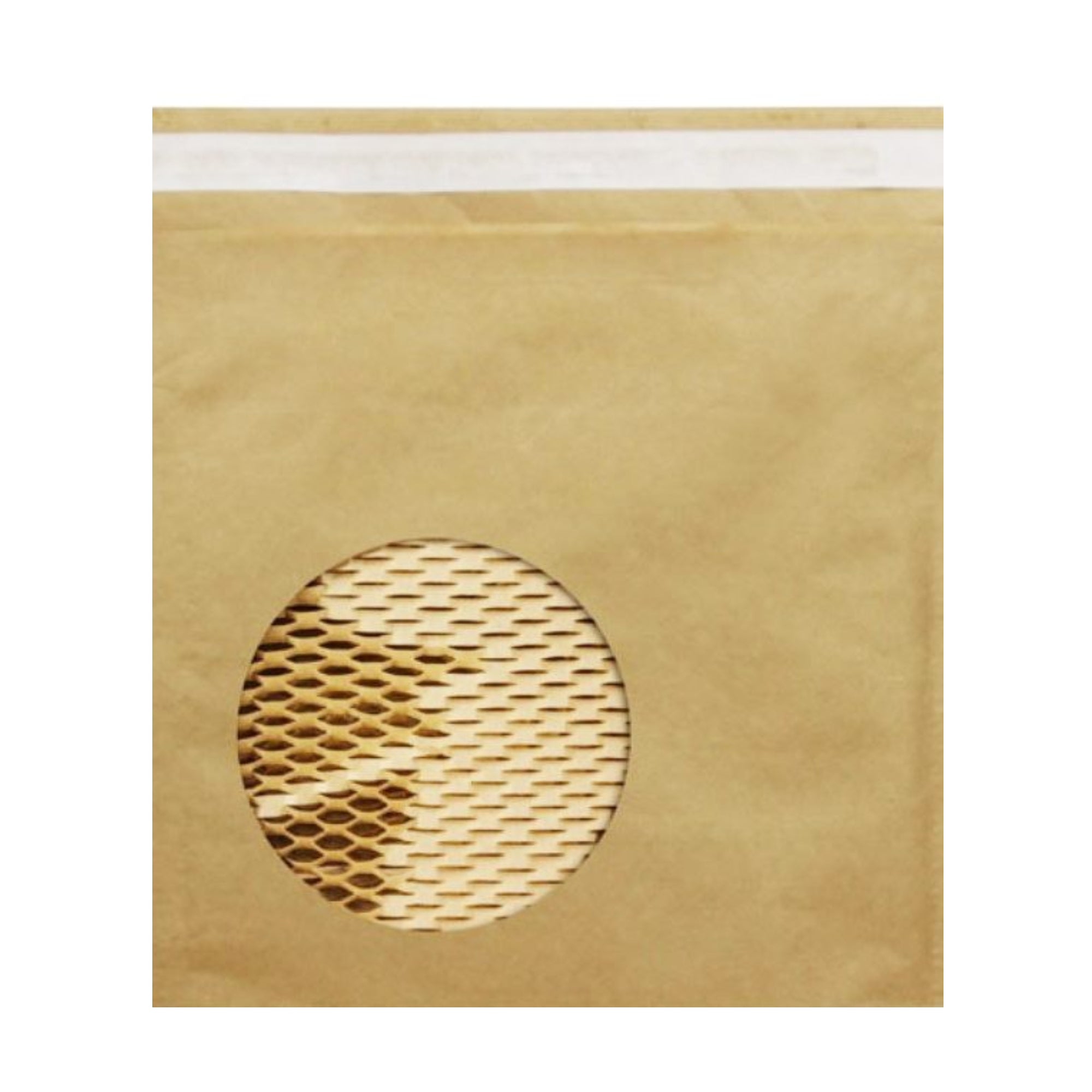
- Replace plastic fillers with paper void fill or honeycomb wrap
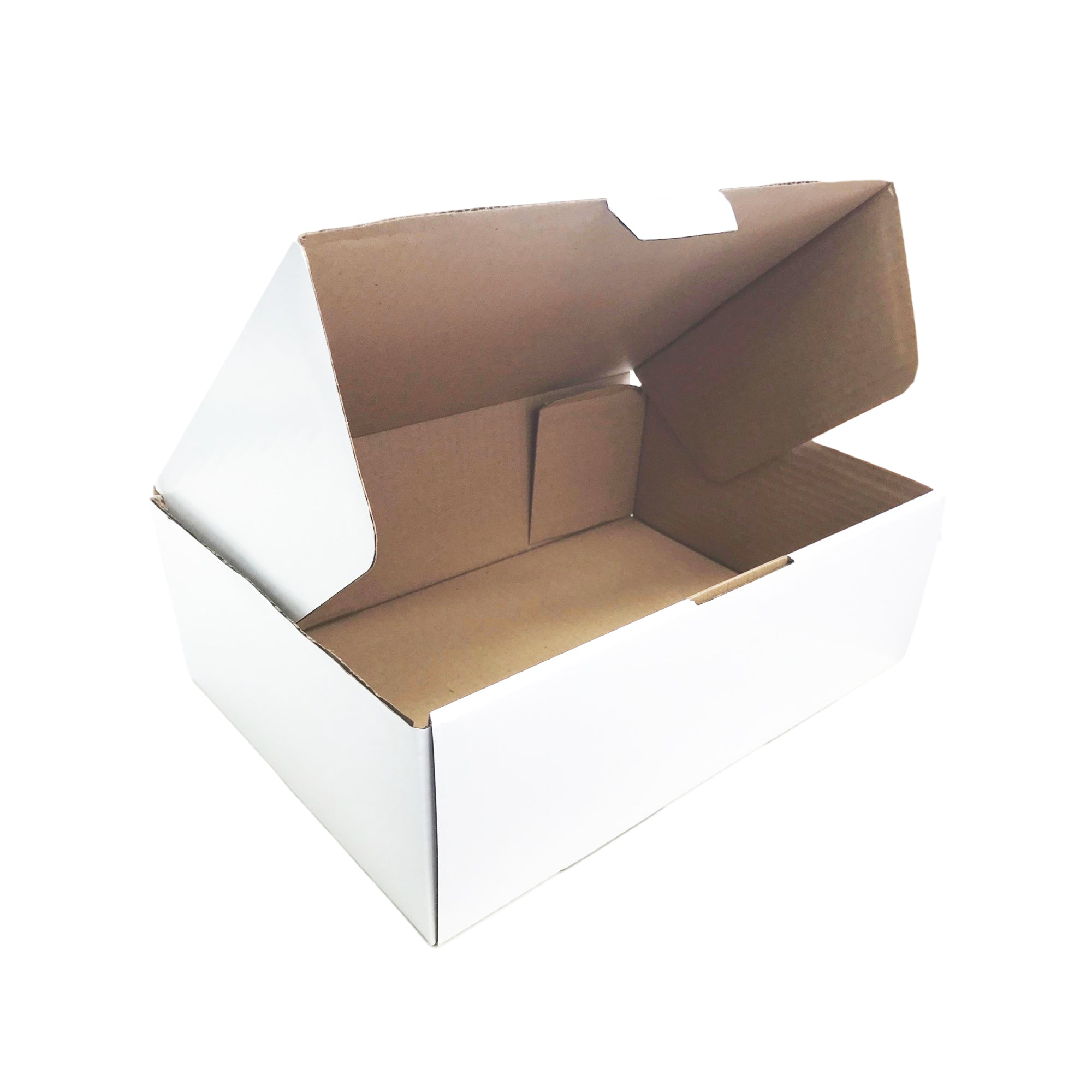
- Use right-sized mailing boxes to reduce excess space
- Pair paper tape with strong cartons for secure sealing
- Continue using protective materials like bubble wrap where necessary, but consider recyclable or minimal-use strategies
Retailers understand that protection is essential. What they’re looking for is reduced waste and smarter material choices, not risk-taking.
Do You Need Proof or Certification for Eco Packaging?
In some cases, yes.
Larger retailers may request:
- FSC certification for paper materials
- Compostability certifications (such as AS 5810 for home compostable items)
- Documentation confirming recycled content
- Confirmation that packaging is kerbside recyclable
It’s worth speaking with your packaging supplier to ensure you can access documentation if required. At Awesome Pack, we can guide you toward materials that align with sustainability expectations and help you understand what information retailers may ask for.
How Can Small Businesses Meet Eco Requirements Without Increasing Costs?
One common concern is cost. Sustainable packaging used to come with a significant premium, but that gap has narrowed considerably.
Here are a few practical ways to keep costs manageable:
- Right-size cartons to reduce filler and postage weight
- Use water-activated tape to reduce over-taping
- Standardise box sizes to improve bulk purchasing
- Trial one eco upgrade at a time instead of changing everything at once
You can also explore bulk purchasing or request a custom quote to secure better pricing as you scale. Small changes add up, and retailers appreciate progress, even if you’re not fully plastic-free overnight.
How Should You Label or Communicate Eco-Friendly Packaging?
Clear communication matters. Retailers often expect packaging to include disposal guidance or recycling instructions where appropriate.
For example:
- “Recyclable with cardboard”
- “Home compostable”
- “Remove label before recycling”
This reduces contamination in recycling streams and improves customer understanding. Just make sure any environmental claims are accurate and verifiable, greenwashing can damage retailer relationships quickly.
Where to Source Retail-Ready Eco-Friendly Packaging
If you’re looking to align with retailer sustainability requirements, it helps to source everything in one place. At Awesome Pack, we stock a wide range of eco-conscious solutions, including:
- Water-activated tape for fibre-bond sealing
- Paper-based sealing options in our packaging tape range
- Durable mailing boxes in various sizes
- Protective materials like bubble wrap and other cushioning options
All orders include free shipping, and if you’re unsure what suits your retailer’s requirements, our team is happy to help. Simply contact us for practical advice tailored to your product type and supply chain.
Key Takeaways
- Retailers increasingly require recyclable, compostable, or plastic-reduced packaging, along with clear disposal guidance.
- Switching to paper-based options like water-activated tape and recyclable cartons can help meet eco standards without compromising protection.
- You don’t need to change everything at once small, practical upgrades can align your packaging with retailer expectations while keeping costs manageable.
Stay Compliant and Competitive
Meeting retailer requirements for eco-friendly packaging isn’t just about ticking boxes. It’s about future-proofing your business, strengthening retail partnerships, and responding to what customers increasingly expect.
The good news? You don’t need to overhaul everything overnight. With the right materials and a clear plan, aligning with eco standards can be straightforward, and even cost-effective. If you’d like help reviewing your current packaging setup or exploring sustainable alternatives, reach out to our team. We’re here to make the transition simple.