








How to Standardise Packaging to Speed Up Order Fulfilment
When orders start picking up, even small inefficiencies at the packing bench can add up. Searching for the right box, switching between different tapes, or figuring out how much protective packaging to use might only take an extra minute or two, but across hundreds of orders, that time matters.
Packaging standardisation helps simplify the process. By creating a smaller, clearly defined range of packaging materials for common order types, your team can pack more consistently and spend less time making decisions. The goal isn't to use exactly the same packaging for every order. It's about creating a practical system that makes everyday fulfilment faster without compromising product protection.
What Does Standardising Packaging Actually Mean?
Packaging standardisation means deciding which packaging materials, sizes, and packing methods your team should use for common types of orders. Instead of having ten different boxes that are only slightly different in size, for example, you might narrow the range down to a few sizes that cover most shipments. The same approach can apply to courier bags, tape, labels, and protective materials.
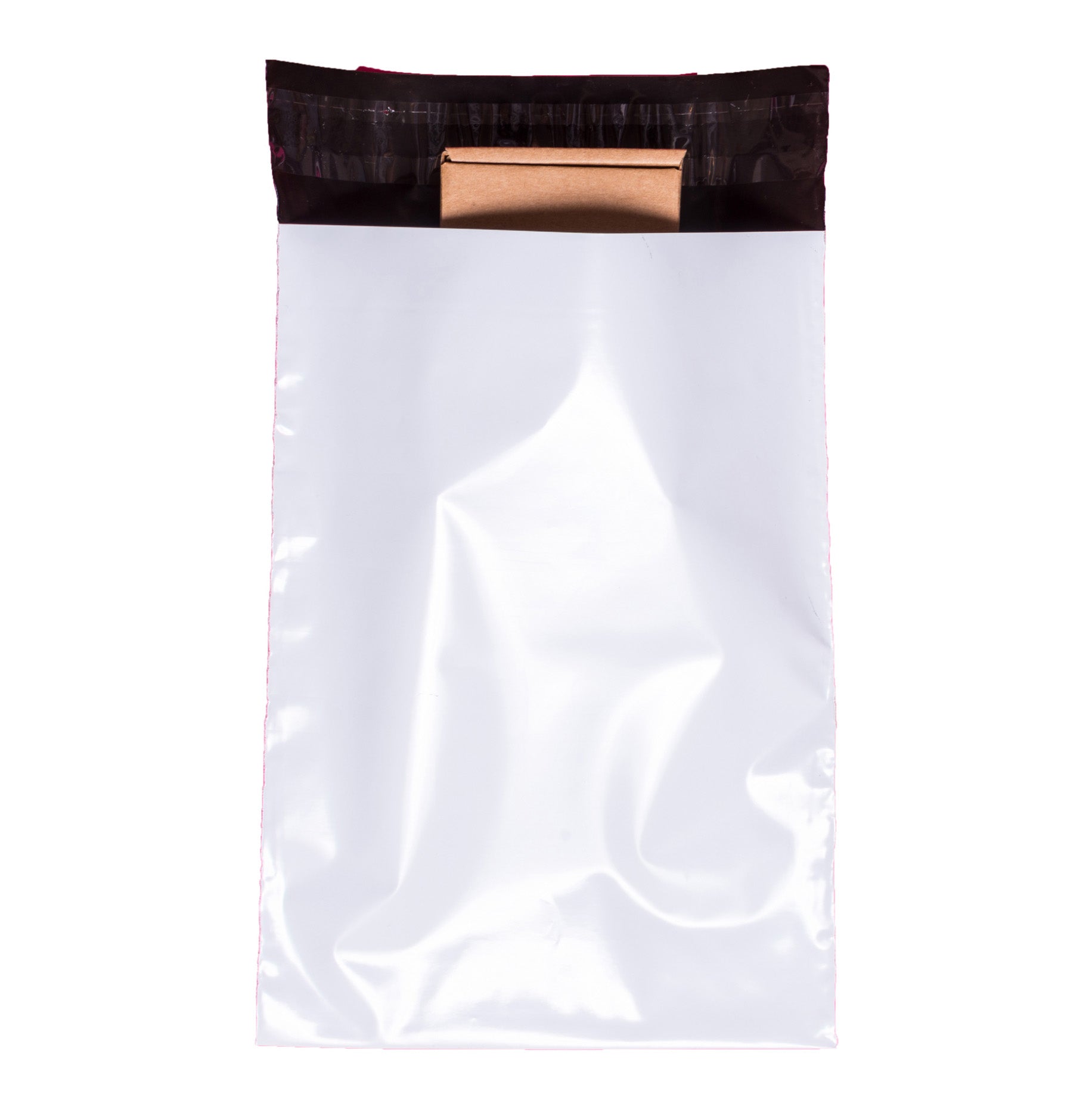
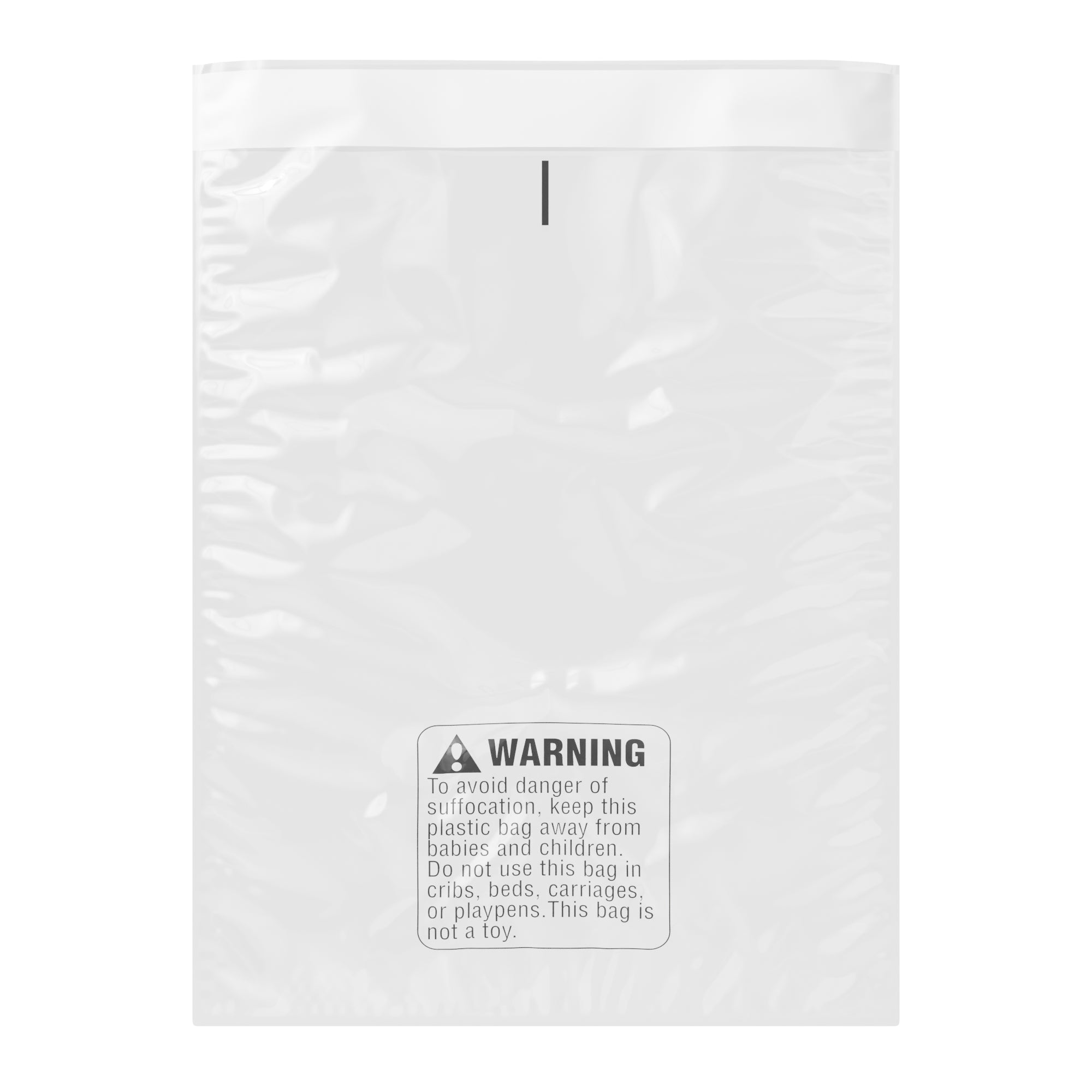
You can also create simple packing rules. A small clothing order might always go into a particular courier bag, while fragile products might use a specific box with a set type of cushioning. This takes some of the guesswork out of fulfilment. Your team knows what to reach for, new staff can learn the process more easily, and customers receive more consistent parcels. Awesome Pack's range of eCommerce shipping supplies can help you bring commonly used packaging materials into a more streamlined setup.
Can Standard Packaging Sizes Make Fulfilment Faster?
One of the easiest places to start is with boxes and satchels. Too many packaging sizes can slow things down because packers need to compare options before every order. Look at your recent shipments and identify the product combinations you send most often. You can then choose a small number of packaging sizes that comfortably cover those orders.
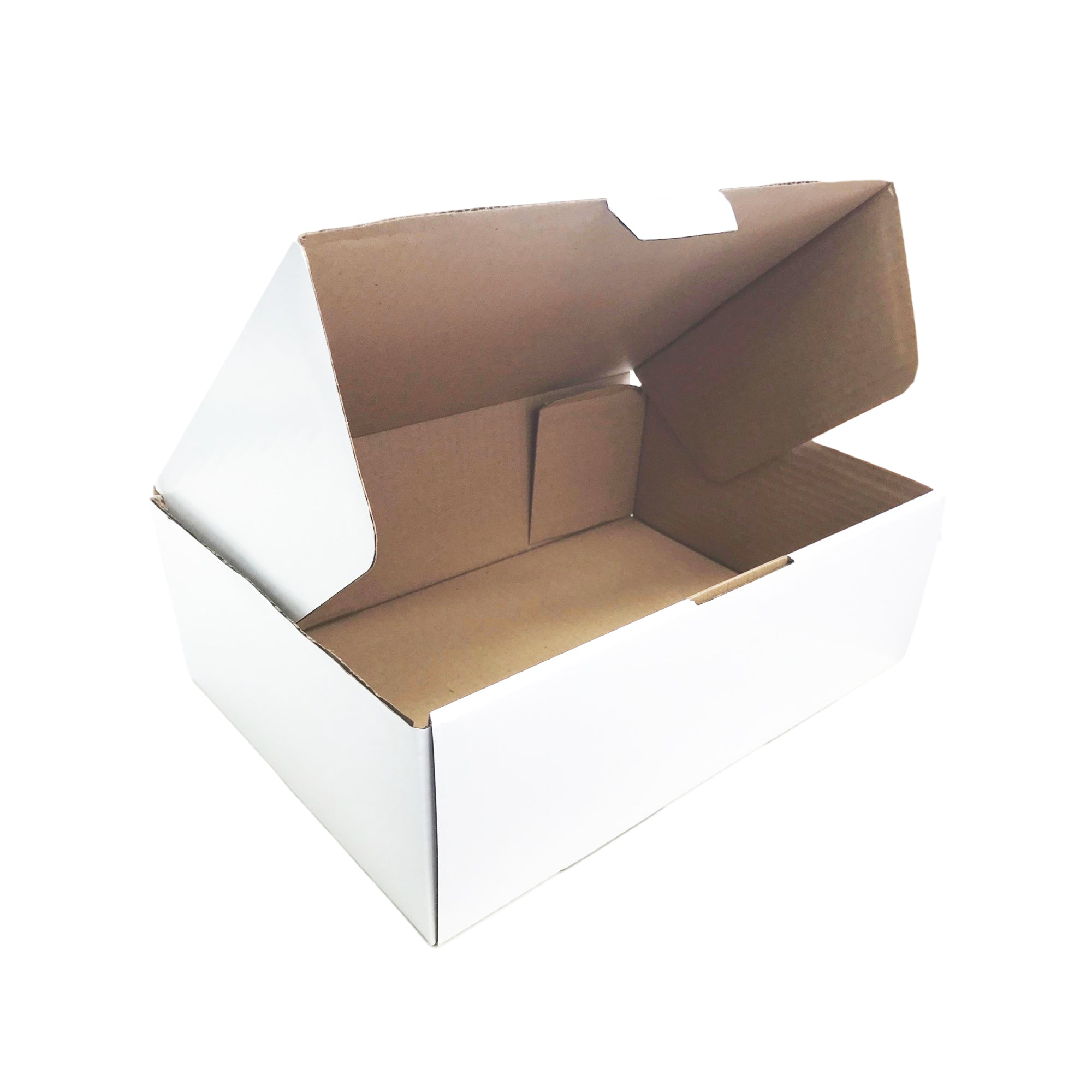
The right size matters, though. A box that's unnecessarily large can require more void fill and may increase shipping costs. One that's too small can put pressure on the product or make the carton difficult to seal. Keeping a defined selection of mailing boxes close to your packing area gives your team clear options without creating unnecessary choice. You can still keep specialised packaging available for unusual orders, but it doesn't need to form part of the everyday workflow.
Protective Packaging Without Risking Damage
Speed shouldn't come at the expense of protection. The trick is to create simple rules for how much cushioning different products require. For example, sturdy products might only need enough void fill to stop them moving around inside the carton. Fragile products may need to be individually wrapped before any remaining space is filled.
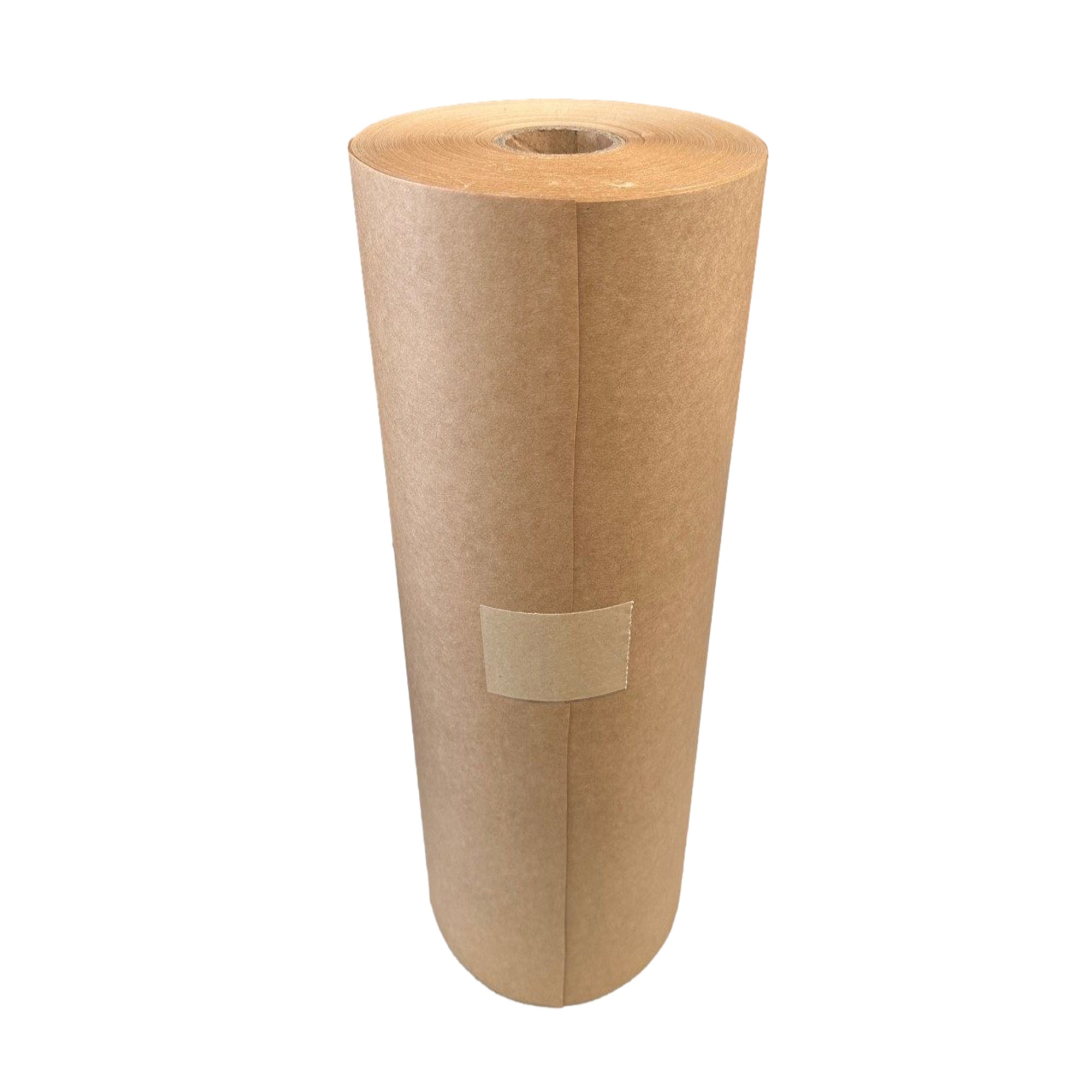
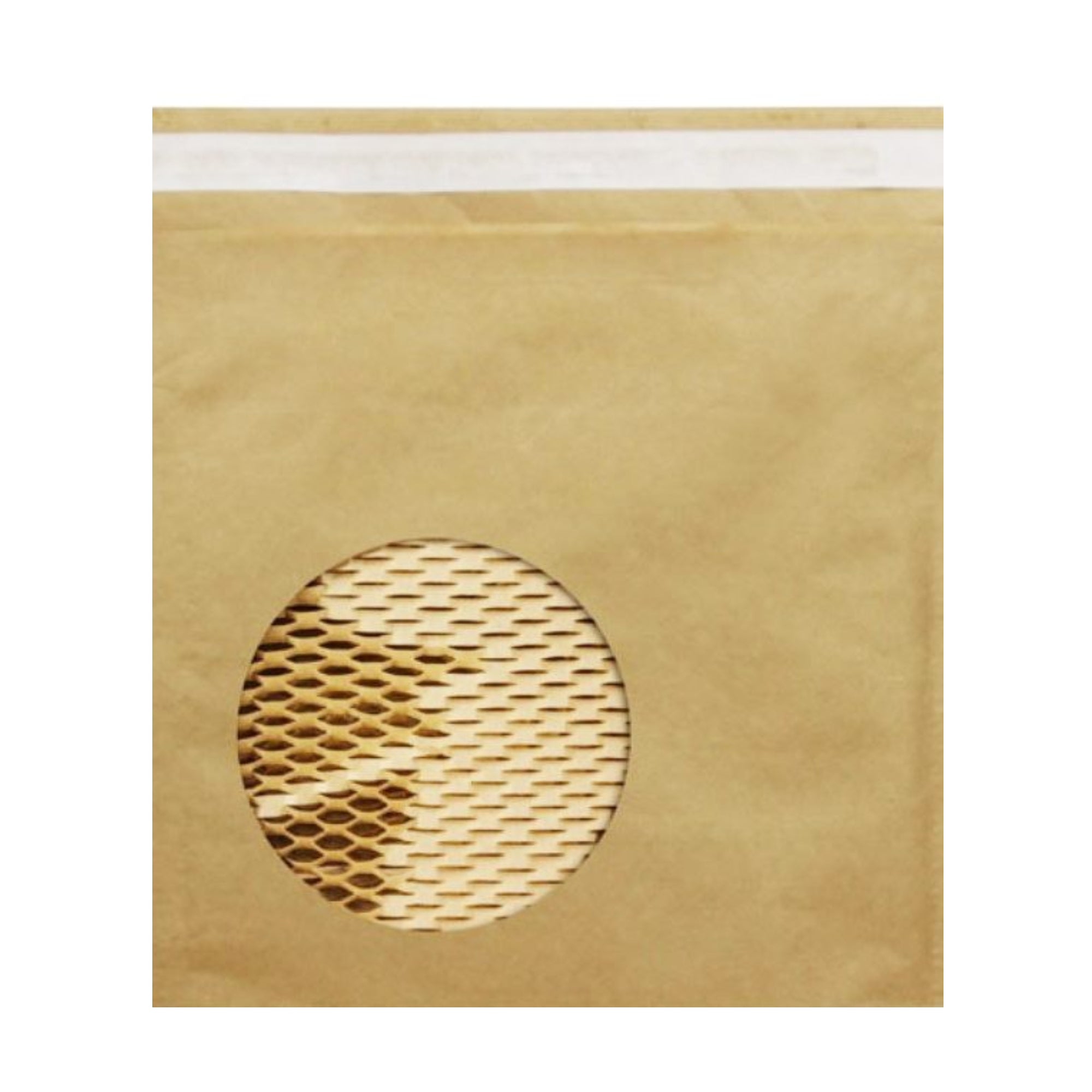
You could assign different protection levels based on the product. That gives packers a repeatable method rather than asking them to judge every parcel from scratch. Keeping a smaller range of protective packaging can also make the packing station easier to manage. Bubble wrap, for instance, can be useful for cushioning fragile or irregularly shaped products, while paper-based alternatives may suit other orders. Test your standard before rolling it out widely. A fast process only helps if products still arrive safely.
Standardising Tape Improve Packing Speed
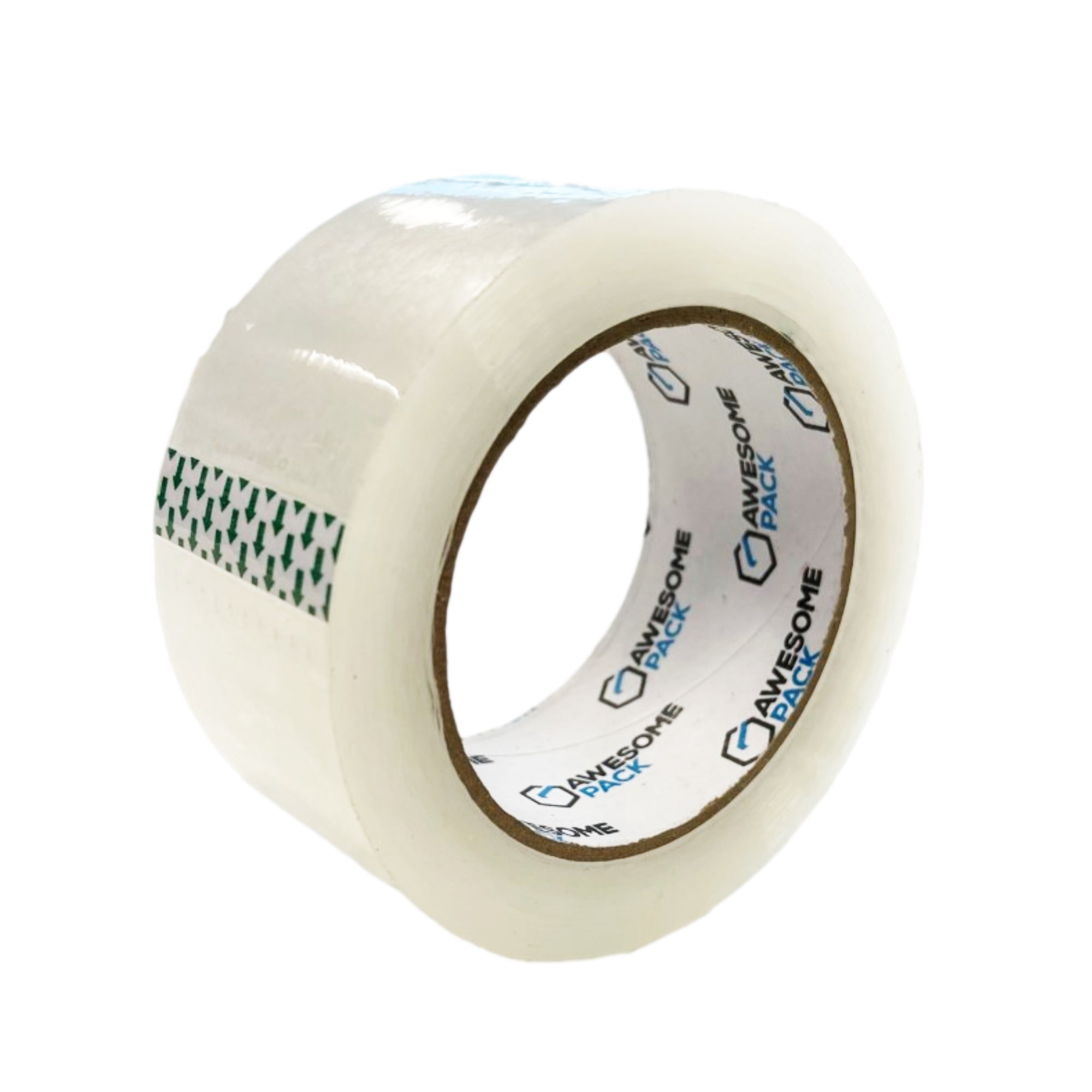
Tape is another small detail that can create unnecessary variation. If your team regularly switches between different widths, adhesives, and dispensers, the process becomes harder to keep consistent. For everyday cartons, choosing one main packing tape and standard width can simplify the bench considerably. You might then keep specialist tapes for heavier cartons, fragile shipments, or other specific applications.
It's worth standardising the way tape is applied too. Setting a clear sealing method can reduce over-taping and help every parcel leave the warehouse with a consistent finish. For businesses using corrugated cartons regularly, water-activated tape is another option to consider. It bonds with the carton surface and can provide a neat, tamper-evident seal.
Shipping Labels Reduce To Fulfilment Errors
Labels are one area where consistency can save time while helping prevent mistakes. Start by matching your label format to the couriers and printers you use most frequently. Once you've found a setup that works, keeping label dimensions and printer settings consistent means staff aren't constantly adjusting templates or swapping supplies.
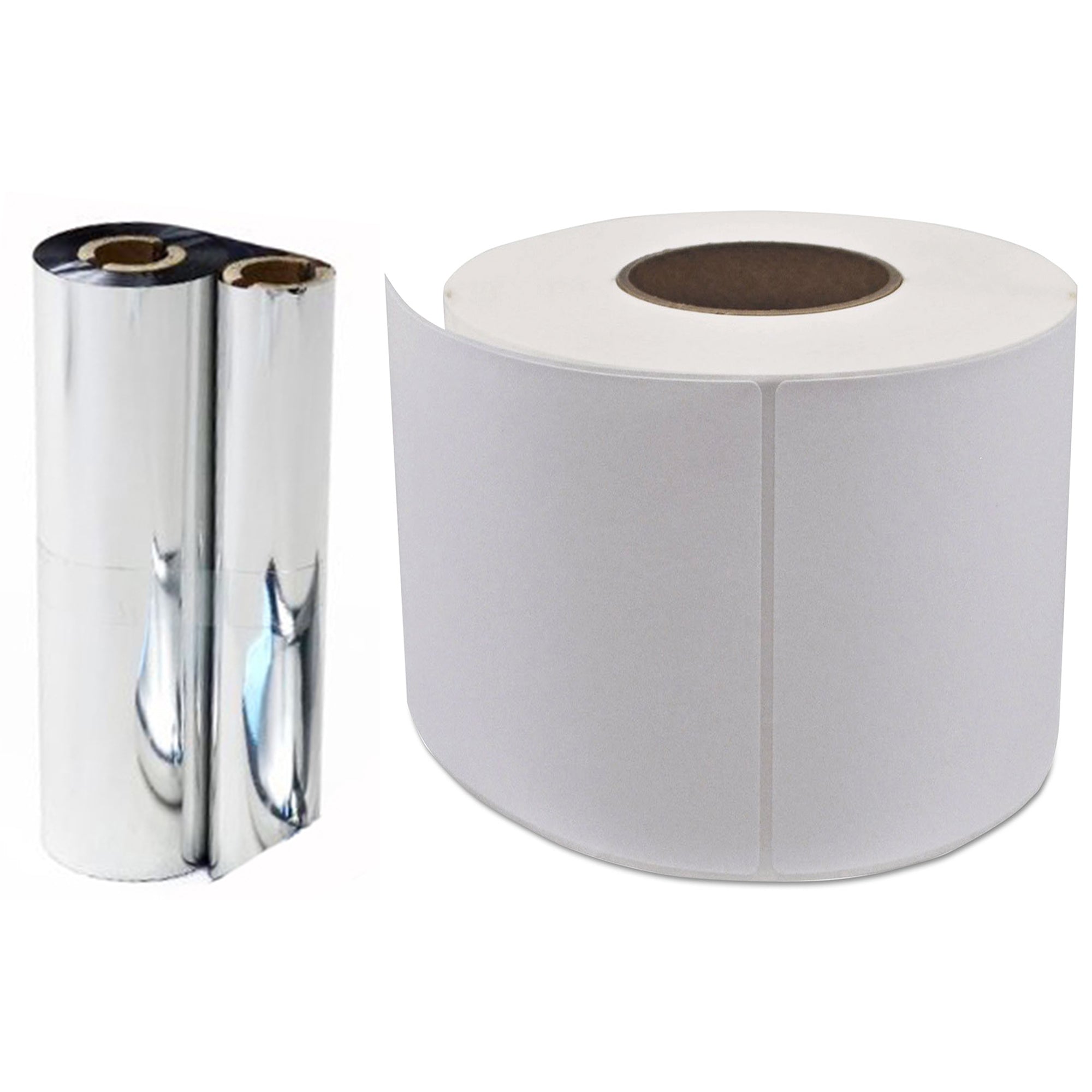
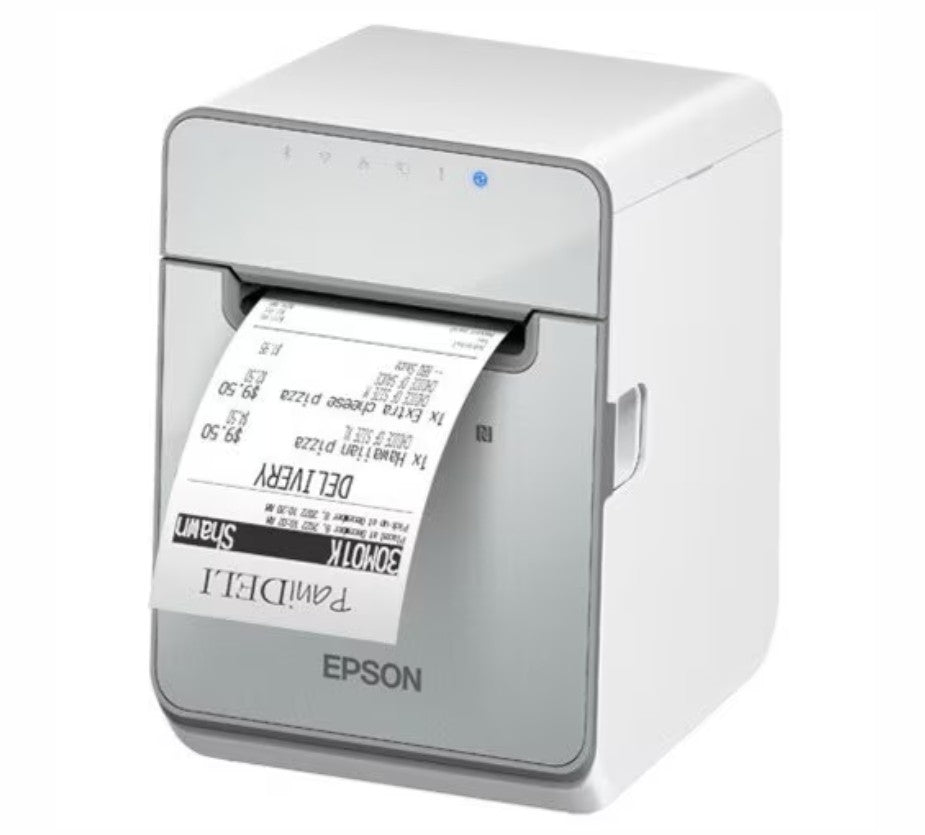
For businesses using thermal printers, direct thermal labels can simplify everyday shipping because they don't require ink or toner. Awesome Pack also offers shipping labels by courier, which can make it easier to match supplies with your delivery network. Keep printers, spare label rolls, and commonly used packaging within easy reach. A good standard isn't only about what you buy. Where everything sits at the packing bench matters too.
How Should You Set Up a Standard Packing Workflow?
Once you've narrowed down your materials, turn them into a simple process your team can follow. You might start by grouping orders into a few common categories, such as small, standard, fragile, and oversized. Each category can then have a preferred box or satchel, cushioning method, tape, and label format.
From there, arrange the packing station in the same order as the workflow. Boxes and mailers should be easy to reach, followed by cushioning, tape, and labels. Frequently used supplies shouldn't require staff to repeatedly walk across the warehouse.
It's also worth documenting the process with a simple packing guide. Photos of correctly packed orders can be particularly useful for new staff. Standardisation should make work easier, not create rigid rules. If a product clearly needs different protection, your team should still be able to adjust.
How Can You Tell Whether Packaging Standardisation Is Working?
Give your new system a trial period and measure what changes. You don't need a complicated reporting setup. Look at average packing time, packaging material use, product damage, returns caused by shipping, and how often staff need to use packaging outside your standard range. You might find that one box size isn't earning its place, or that a slightly different carton reduces the amount of void fill required.
Ask your packing team for feedback too. They're using the system every day and will usually spot unnecessary steps quickly. The aim is continuous improvement. A packaging standard that works when you're sending 50 orders a week may need adjusting when you're sending 500.
Make Everyday Fulfilment Simpler
Standardising packaging isn't about taking flexibility away from your team. It's about removing unnecessary decisions from orders that can be packed the same way every time. Start with your most common shipments, choose a small range of reliable packaging, and create clear packing methods around them. Once those basics are working well, you can refine the system as your order volume grows.
Awesome Pack supplies a wide range of packaging products, including mailing boxes, courier bags, protective packaging, tape, and shipping labels. Businesses purchasing larger quantities can also explore bulk-buy packaging options to simplify regular replenishment.
If you're working out which sizes or materials make sense for your operation, contact the Awesome Pack team for help finding a setup that suits your products and order volume.