


How to Stop Mailing Labels From Peeling Off During Transit
Estimated reading time: 5 minutes
Key Takeaways
- Most mailing labels peel off because of dusty or damp surfaces, cold temperatures, uneven placement or not enough pressure, not just bad luck in transit.
- Use quality 100mm x 150mm labels that suit your printer, as this is the standard size for most Australian couriers.
- Stick labels to the largest flat surface, away from seams, edges, tape and wrinkles, then press firmly from the centre outwards.
- Label adhesive needs warmth and time to bond, so apply labels at room temperature and a little before courier pickup.
- Avoid taping over barcodes. Tape only the edges if you need extra hold, and use synthetic labels for wet or tough conditions.
You’ve packed the order, printed the label and sent the parcel on its way. A few days later, your customer messages to ask where it is, and tracking hasn’t moved. More often than you’d think, the culprit is a shipping label that lifted, curled or fell off somewhere between your packing bench and their front door. A peeling label can send a parcel into manual processing, delay delivery or, in the worst case, leave it with no address at all. The good news is that it’s one of the easiest shipping problems to fix. In most cases, it comes down to three things: using the right label, sticking it to the right surface and applying it the right way.
Here’s why mailing labels peel off during transit, and the simple steps you can take to make sure yours stay put.
Why Do Mailing Labels Peel Off in Transit?
Before jumping into the fixes, it helps to know what’s working against your labels. Parcels get stacked, tossed, run along conveyor belts, loaded into hot or cold trucks and sometimes left out in the rain. A label that’s only half stuck won’t survive that trip. The most common causes are:
- Dusty, greasy or damp surfaces. Dust from cardboard, oils from your hands or a bit of moisture stop the adhesive from making full contact.
- Cold temperatures. Most label adhesives need a surface that’s above about 5–10°C to flow properly and grip. A freezing warehouse in a Melbourne winter can be enough to weaken the bond.
- Uneven or textured surfaces. Seams, box flaps, tape joins, edges and wrinkles on poly mailers leave gaps where the label can start to lift.
- Not enough pressure or time. Label adhesive builds its strength over time. Depending on the conditions, it can take anywhere from 20 minutes to 24 hours to reach full bond.
- Low-quality or old labels. Cheap paper, weak adhesive, or labels that have been stored somewhere hot, humid or sunny won’t hold as well.
- Rough handling and weather. Friction, moisture and big temperature swings put extra strain on any label that wasn’t applied properly in the first place.
9 Ways to Stop Shipping Labels From Peeling Off
1. Start With Quality Labels Made for Your Printer
The easiest win is using good labels from the start. A quality label has a consistent adhesive layer and paper that lies flat, so it grips evenly instead of curling at the corners.
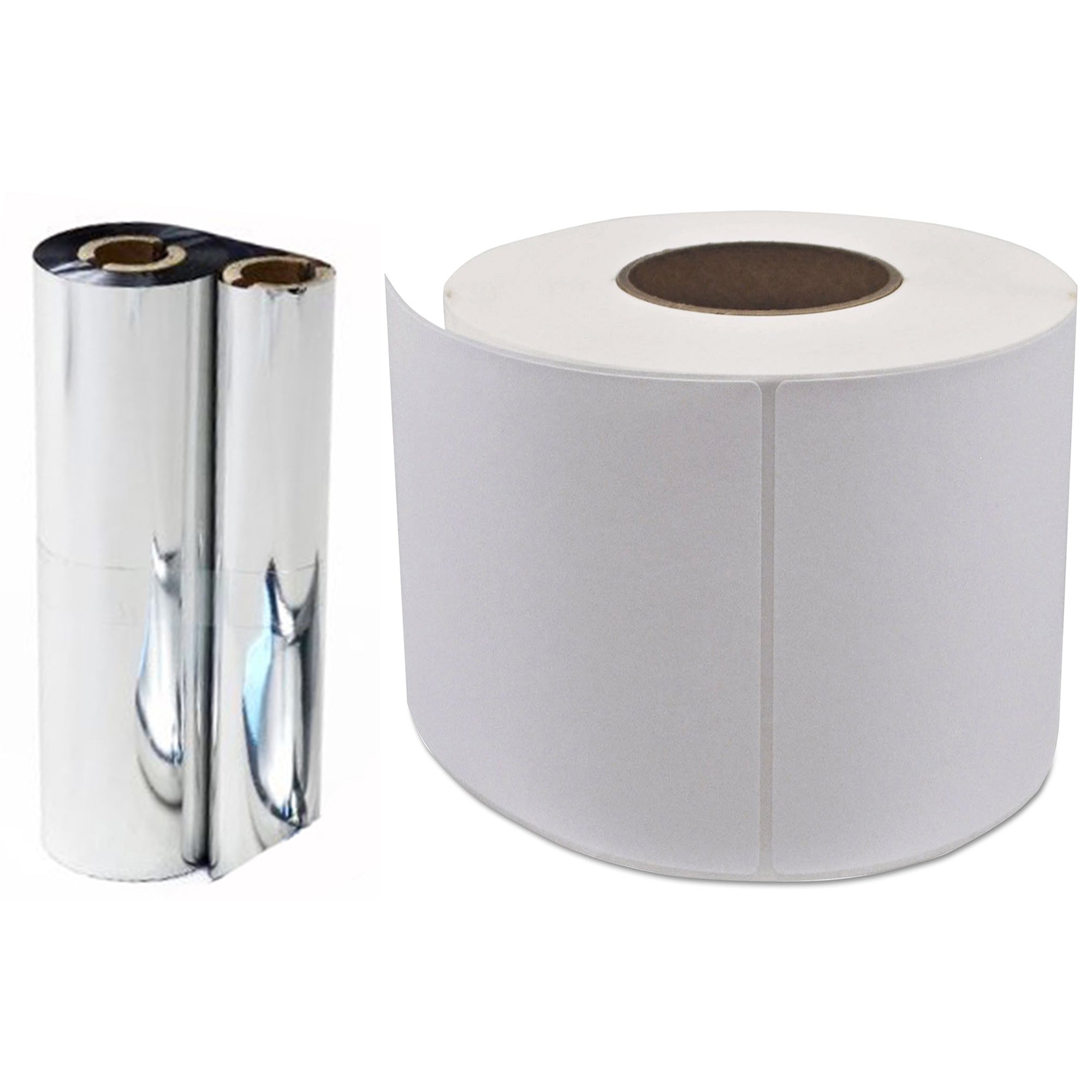
For most Australian eCommerce businesses, a 100mm x 150mm direct thermal label is the go-to. It’s the standard size for Australia Post, StarTrack, Sendle, Aramex, Couriers Please and most other carriers. Our Zebra and direct thermal labels are made from A-grade direct thermal paper and work with all direct thermal printers. If you use a different printer, we also stock Brother labels and DYMO labels in the right sizes.
2. Clean and Dry the Surface First
It sounds simple, but it makes a big difference. Give the spot a quick wipe with a dry cloth to remove dust and cardboard fibres, and make sure the packaging is completely dry. Try to handle the sticky side of the label as little as possible, as oils from your fingers weaken the adhesive.
3. Pick a Flat, Smooth Spot
Always apply your label to the largest flat surface of the parcel. Avoid:
- Box seams, flaps and closures, where the label can bridge a gap and lift
- Edges and corners, where the label gets folded or wrapped around
- Existing tape, which gives the adhesive a slippery surface to grip
- Wrinkles, creases and curved areas
Australia Post’s own parcel preparation guidelines also recommend keeping labels flat and not wrapped over an edge, so this step helps your barcode scan first time, too.
4. Apply Firm, Even Pressure
Pressure-sensitive adhesive needs pressure to work. Once the label is in place, smooth it down firmly from the centre outwards to push out any air bubbles. Then run your hand along every edge and corner, as that’s where peeling usually starts. If you’re labelling a lot of parcels, a plastic card or small squeegee makes the job quicker and more consistent.
5. Watch the Temperature
If your packing area is very cold, the adhesive may never reach its full strength. Store your labels and packaging at room temperature, and if boxes have been sitting in a cold storeroom or delivery van, let them warm up before labelling. Where you can, apply labels a little while before the courier pickup, rather than at the last second, so the adhesive has time to set.
6. Match the Label to Your Packaging
Different packaging types need slightly different approaches:
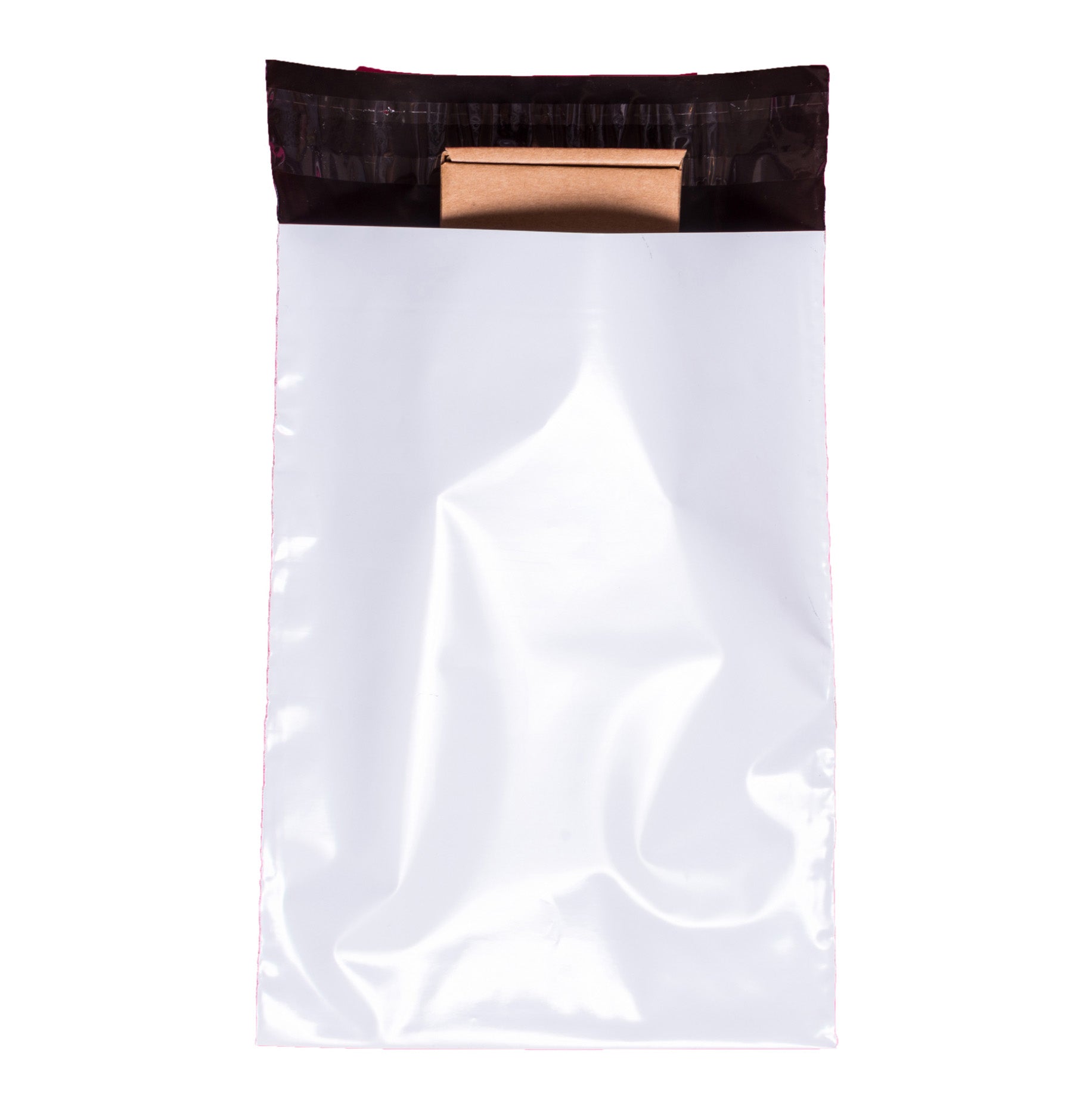
- Poly mailers and satchels: Plastic is harder to stick to than cardboard, and loose plastic crinkles easily. Choose the right size bag so the surface stays taut, then place the label on the flattest part, away from the seal strip. Our courier bags and shipping satchels have a smooth surface that gives labels a good base to grip.
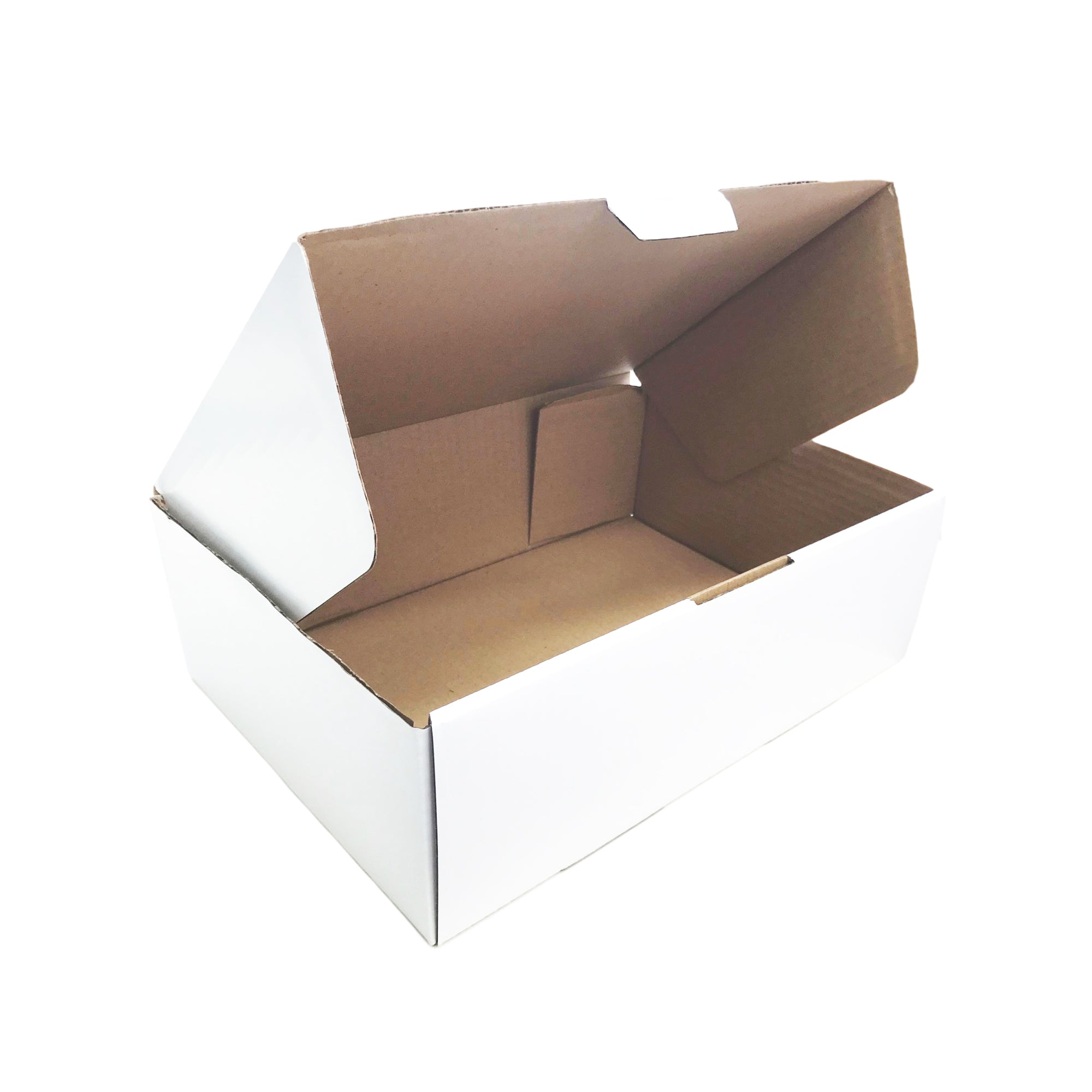
- Cardboard boxes: Clean, smooth cardboard gives a strong bond. Heavily recycled or textured board can be dusty, so a quick wipe helps. Our mailing boxes have flat panels that make labelling easy.
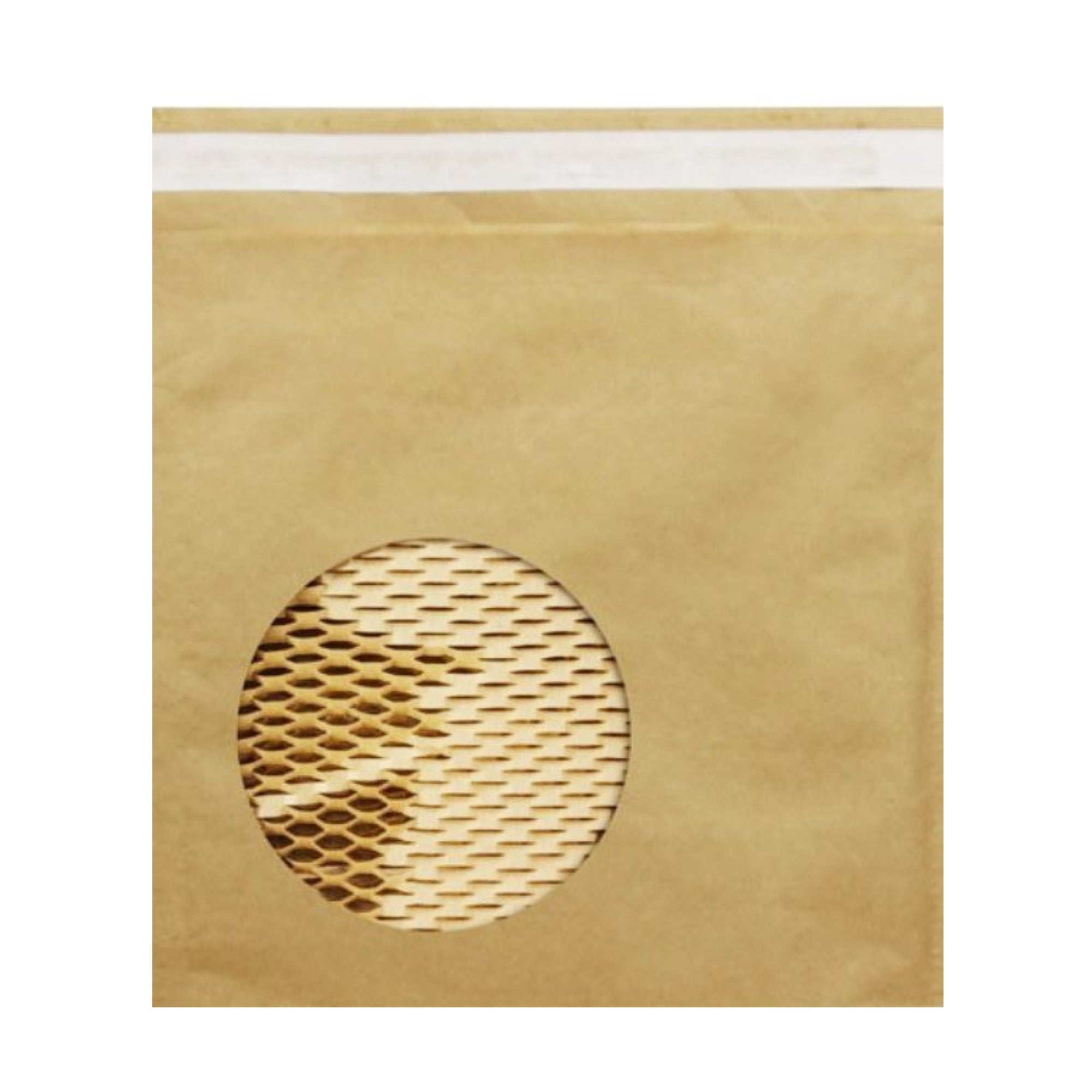
- Padded and bubble mailers: Stick the label to the flat paper or poly face, not over the bubbles or padded edges. Browse our bubble mailer envelopes for a smooth labelling surface.
7. Use Synthetic Labels for Wet or Tough Conditions
If your parcels are likely to face rain, condensation, cold storage or outdoor handling, standard paper labels may not cut it. Synthetic labels are water and tear-resistant and hold up much better in harsh conditions. Check out our thermal transfer labels and ribbons, including synthetic labels designed for outdoor use.
8. Store Your Labels Properly
Labels don’t last forever on the shelf. Heat, humidity and direct sunlight can dry out the adhesive and, for direct thermal labels, darken the paper. Keep your rolls in a cool, dry place, in their packaging until you need them, and use your oldest stock first.
9. Be Careful With Tape
It’s tempting to cover the whole label with clear tape for extra security, but this can cause more problems than it solves. Shiny tape reflects light and can stop scanners from reading your barcode, which may push your parcel into manual sorting. Australia Post asks that labels have no tape or strapping covering them.
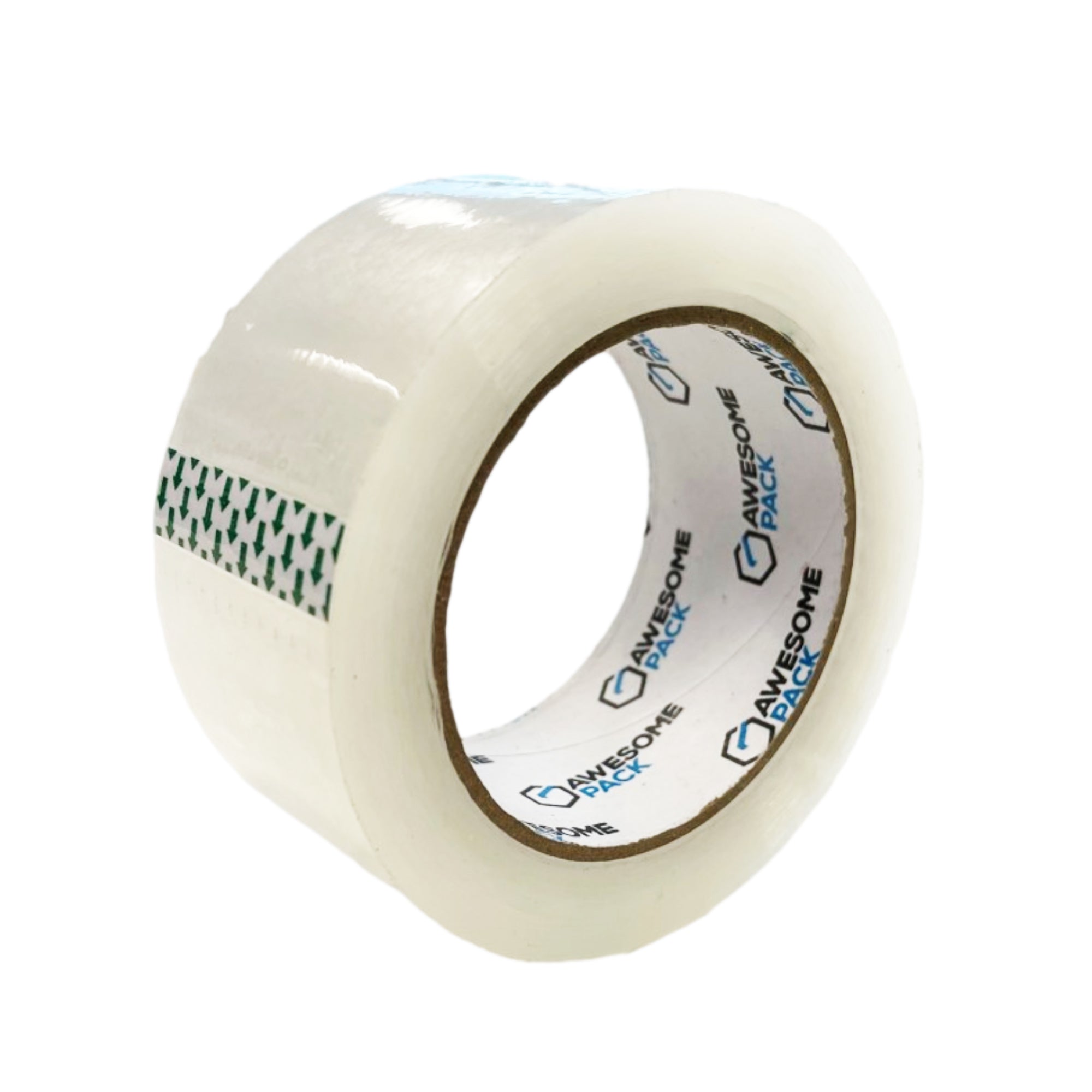
If you want extra hold, tape only the outer edges of the label, keeping the barcode and address fully visible. Use a quality packing tape so it stays put without lifting.
Should You Use a Label Pouch or Sleeve?
Plastic sleeves are handy for international parcels that need customs documents or invoices attached. For domestic parcels, though, most carriers prefer the label stuck directly to the packaging, as a plastic cover can create glare and make scanning harder. If you’re not sure, check your carrier’s requirements before you send.
Quick Pre-Dispatch Label Checklist
Before every parcel leaves your packing bench, run through this quick check:
- Is the label stuck to the largest flat surface?
- Is it clear of seams, edges, tape and wrinkles?
- Have you pressed down all edges and corners firmly?
- Is the barcode crisp, flat and free from tape or stickers?
- Is the packaging clean, dry and at room temperature?
- Have you popped a packing slip with the delivery details inside the parcel, just in case?
Keep Your Labels Stuck With Awesome Pack
A label that stays put means fewer delayed parcels, fewer customer enquiries and more orders delivered on time. With quality labels, the right packaging and a few good habits at the packing bench, peeling labels can be a thing of the past.
At Awesome Pack, we stock everything you need to label and ship with confidence, from direct thermal labels and direct thermal printers to courier bags, mailing boxes and packing tape. Orders placed before 11am are dispatched the same day, or you can Click & Collect from our Huntingdale warehouse in Melbourne. Shop our shipping labels today.