


How to Choose a Mail Satchel for Different Ecommerce Products
Estimated Reading Time: 6 minutes
Key Takeaways
- Choose mail satchels based on product size, weight, shape, and fragility.
- Standard courier bags suit clothing and other soft, non-fragile items.
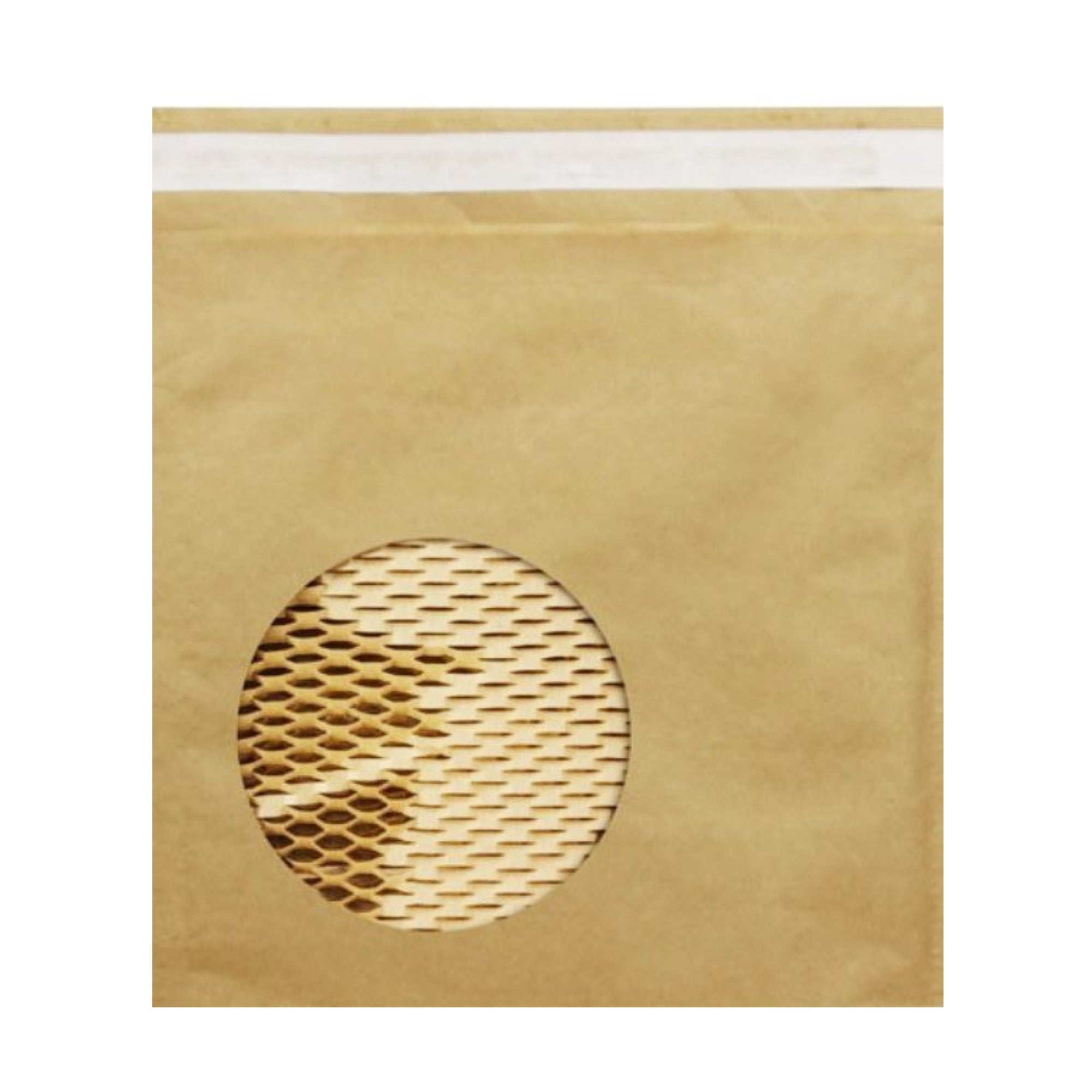
- Padded mailers provide extra cushioning for suitable small products.
- Use rigid packaging for items that need stronger impact or bend protection.
- Standardise common satchel sizes to improve packing speed and consistency.
Choosing the right mail satchel might seem like a small detail, but it can make a big difference to how your ecommerce orders are packed, shipped, and received. A satchel that's too large can leave products moving around unnecessarily, while one that's too small may stretch, tear, or make sealing difficult. Then there's the material itself. Some products need a lightweight courier bag, while others benefit from extra cushioning or a more protective packaging option.
The good news? You don't need a different satchel for every product. By understanding the types available and matching them to what you're shipping, you can create a simpler, more reliable packing process.
Different Types of Mail Satchels
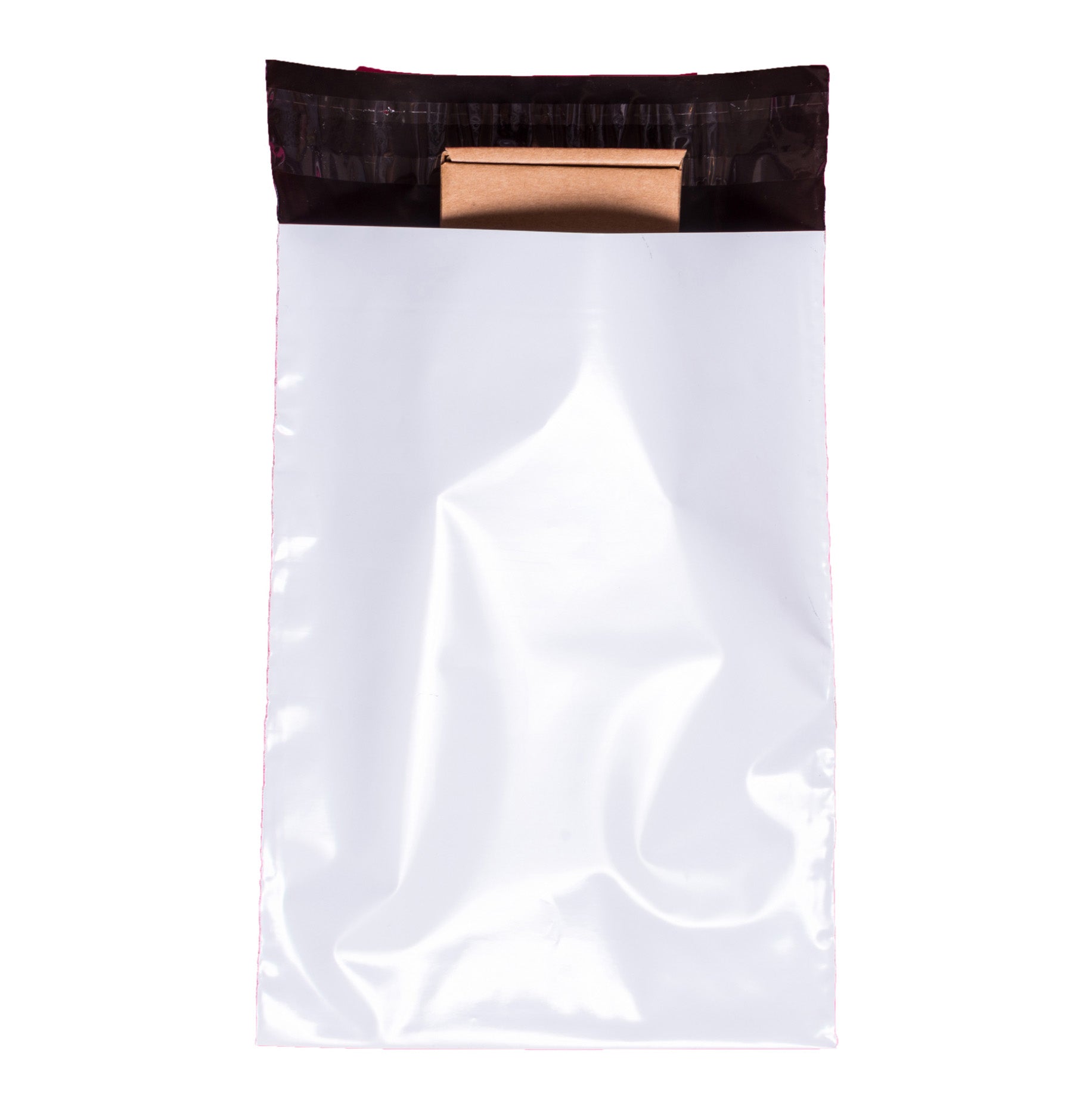
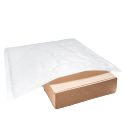
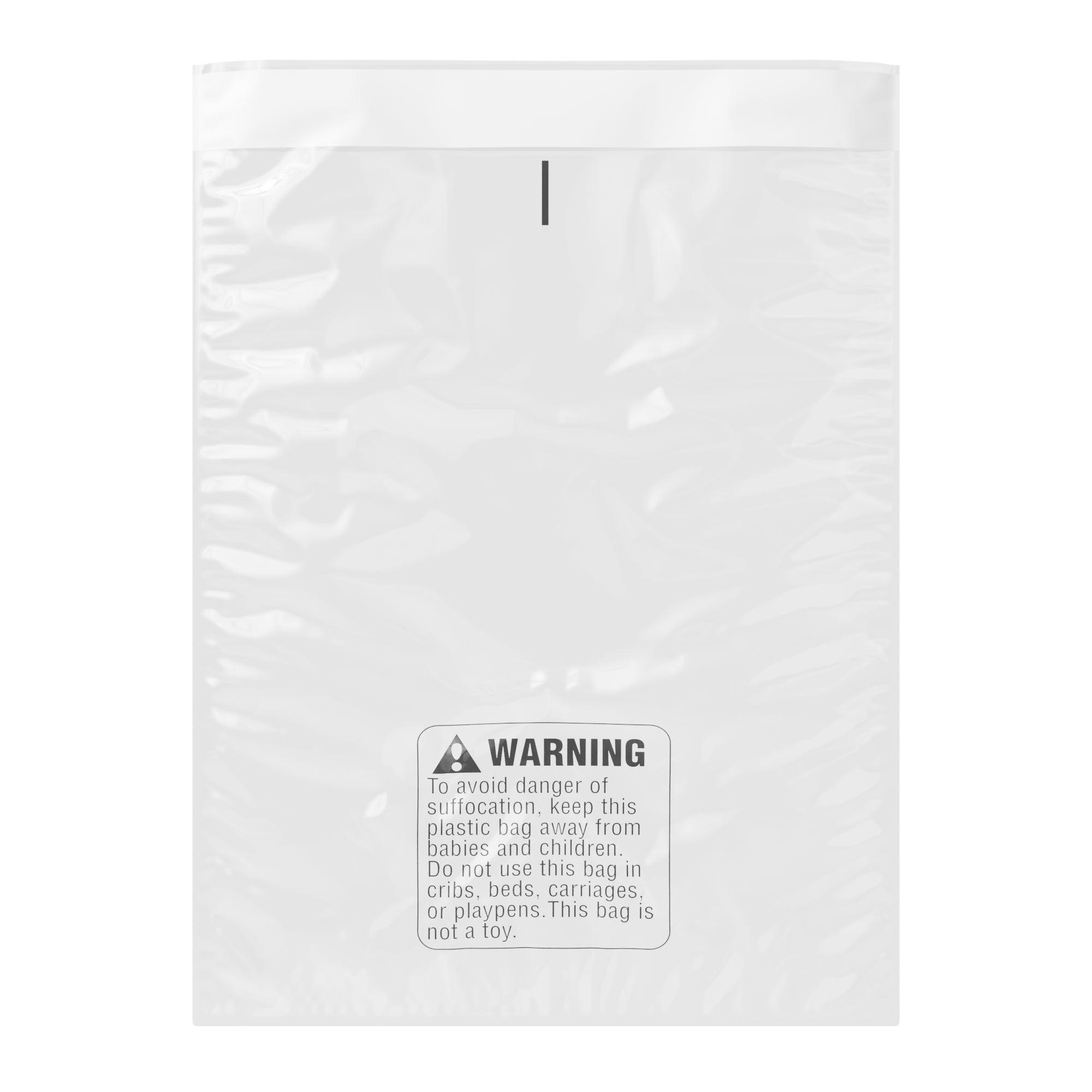
Mail satchels come in different materials, sizes, and designs, each suited to particular shipping needs. Standard plastic courier bags are a popular choice for ecommerce businesses because they're lightweight, flexible, and convenient for packing non-fragile products. They're especially useful for clothing, soft accessories, and other items that don't require rigid protection.
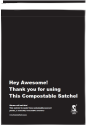
For businesses looking to reduce conventional plastic packaging, compostable satchels are another option. However, it's important to check the product's certification and disposal requirements, as compostable materials don't necessarily break down in ordinary recycling or landfill conditions. You can also consider bubble mailer envelopes, which provide an additional cushioning layer for smaller products that need more protection than a standard courier bag offers. The right choice depends on the product's size, shape, weight, and fragility.
Which Mail Satchels Are Suitable for Clothing and Fashion Products?
Clothing is one of the easiest product categories to pack in mail satchels. Most garments are flexible and relatively resistant to impacts, so they generally don't need the same level of cushioning as fragile goods. For everyday fashion orders, courier bags and poly mailers are a practical starting point. They can accommodate folded T-shirts, leggings, jumpers, and other soft items without adding the bulk of a cardboard box.
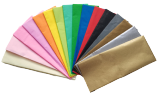
Choosing the right size is still important. A small satchel may work well for a single T-shirt, while thicker clothing or multiple garments will need more room. If presentation matters, consider wrapping the clothing in tissue paper before placing it inside the satchel. It can help create a more polished unboxing experience without making the packing process complicated.
What Mail Satchels Work for Beauty Products and Small Accessories?
Beauty products and accessories can be a little trickier because they vary so much in shape and fragility. Soft accessories, such as fabric hairbands or textile pouches, may be suitable for standard courier bags. Smaller rigid products, including some jewellery accessories and cosmetic tools, may benefit from padded mailers or additional wrapping. For glass bottles, liquid products, or delicate containers, a satchel alone may not provide enough protection. You may need leak-resistant primary packaging, cushioning, and a sturdy outer box, depending on the product and the courier's requirements.
Awesome Pack's bubble mailer envelopes can be useful for suitable small items that need some cushioning without a full carton. The key is to consider what could happen during transport. If an item might crack, leak, or become damaged under pressure, choose protection based on that risk rather than simply using the smallest available satchel.
Can You Use Mail Satchels for Books and Stationery?
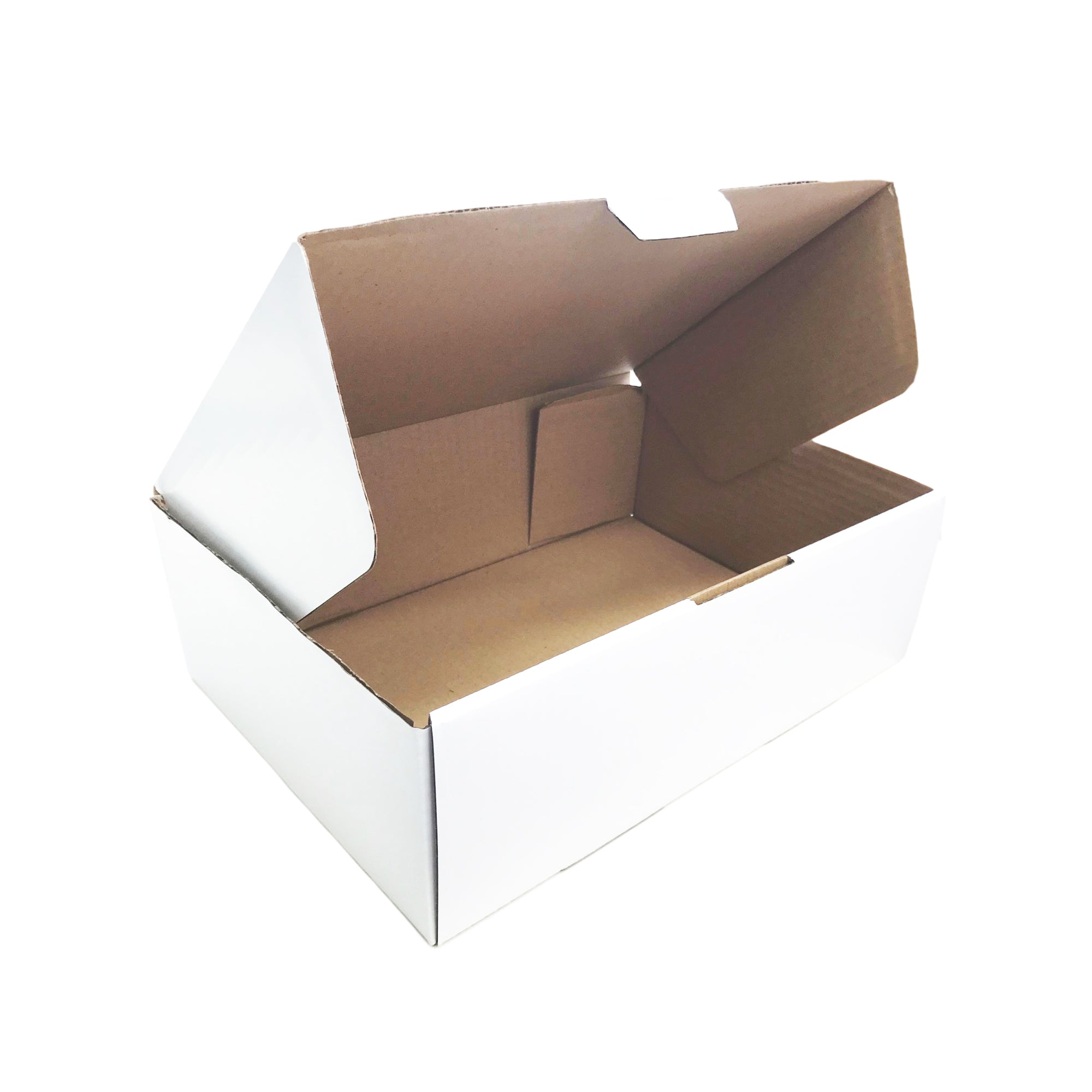
Yes, although the type of stationery or printed material makes a difference. Flexible items such as soft notebooks or lightweight stationery packs may be suitable for mail satchels, provided they're protected against bending and moisture where necessary. Books, prints, and documents can be more sensitive to creasing, bent corners, and surface damage. For these products, a rigid mailer or protective cardboard insert may be a better choice than a soft courier bag on its own.
You can explore book wrap boxes for products that need more structured protection. For businesses shipping a mix of stationery products, it may help to keep both mail satchels and rigid packaging available. That way, your team can choose the appropriate option without overpacking every order.
Choose the Right Mail Satchel Size
Satchel size affects more than how neatly a product fits. It can influence packing speed, material use, and how securely the parcel stays closed. Start by measuring the product after it's been folded, wrapped, or otherwise prepared for shipping. Remember to account for thickness, not just length and width. A satchel should have enough space to fit the product comfortably and allow the adhesive flap to close properly. Avoid stretching the material tightly around sharp edges or bulky items, as this can place unnecessary stress on the seams.
On the other hand, using an oversized satchel for a small item can leave excess material around the product and create an untidy parcel. If you ship a consistent range of products, consider standardising a few commonly used sizes. This makes it easier for your team to pack orders quickly and helps simplify stock management. Awesome Pack offers a selection of shipping satchels to suit different ecommerce packing requirements.
Should You Choose Plastic or Compostable Mail Satchels?
Both options can suit ecommerce shipping, but they come with different considerations. Plastic courier bags are lightweight, flexible, and generally suitable for protecting non-fragile goods from ordinary handling and incidental moisture. They're commonly used by fashion retailers and other businesses sending soft products.
Compostable satchels may appeal to brands looking for alternatives to conventional plastic. However, their environmental benefits depend on the materials, certifications, and disposal conditions. Some require industrial composting facilities, while others may be certified for home composting under specific standards.
If you're considering eco-friendly packaging, check the supplier's product information and make sure your customers receive accurate disposal guidance. There's no need to make the decision based on appearance alone. Consider your products, storage conditions, customer expectations, and the end-of-life options available.
How Can You Protect Products Inside a Mail Satchel?
Even when you've chosen the right satchel, some products may need an additional layer of protection. For clothing, tissue paper or an appropriate inner bag can help keep items neatly presented. For smaller accessories, a protective sleeve or padded mailer may reduce rubbing and minor impacts.
If the product has sharp edges, delicate components, or a surface that scratches easily, consider whether a flexible satchel is suitable at all. Sometimes a box with appropriate cushioning is the safer choice. You can explore Awesome Pack's protective packaging and bubble wrap for products that require additional cushioning. Also remember that shipping labels need a flat, secure surface. A poorly positioned label on a wrinkled or uneven satchel can make barcodes harder to scan.
How Can Ecommerce Businesses Make Satchel Packing More Efficient?
Once you've identified the right packaging for your products, consistency becomes the next priority. Rather than asking staff to choose from dozens of sizes, create a simple guide showing which satchel to use for common order types. For example, single clothing items might use one size, while multiple garments use another. Keep your most frequently used satchels, shipping labels, and packing materials within easy reach. This reduces unnecessary movement and makes it easier to maintain a consistent workflow during busy periods.
It's also worth reviewing your packaging choices as your product range changes. A satchel that worked well for one collection may not suit heavier or more delicate products introduced later. A straightforward packing system can save time without making the process overly rigid.
Find the Right Mail Satchel for Every Order
Choosing a mail satchel isn't just about finding something your product fits inside. It's about balancing protection, presentation, convenience, and material use. Standard courier bags are often suitable for soft, non-fragile goods. Padded mailers can offer additional cushioning for smaller items, while rigid or particularly delicate products may need a box instead.
Start with the products you ship most often, choose sizes that fit properly, and build a simple packing process around them. Small improvements to your packaging choices can make a noticeable difference as your ecommerce business grows.
Awesome Pack offers packaging supplies for Australian ecommerce businesses. You can also explore ecommerce shipping supplies if you're looking to organise your broader packing setup. If you're unsure which mail satchel sizes or materials suit your products, contact the Awesome Pack team for guidance on selecting packaging that fits your shipping needs.