













Packaging Solutions for Electronics
5 mins read
Key Takeaways
- Electronics need strong internal cushioning and durable outer packaging
- Reducing movement is the key to preventing damage
- The right materials improve protection without increasing costs
Electronics are one of the most sensitive product categories to ship. Whether it’s small accessories, consumer devices, or high-value equipment, even minor movement or impact during transit can lead to damage, returns, and unhappy customers. That’s why having the right packaging setup isn’t just helpful, it’s essential. The goal isn’t to overpack, but to use the right combination of materials to protect your products while keeping your process efficient. Let’s break down what works, what to avoid, and how to build a reliable packaging system for electronics.
Why Is Packaging So Important for Electronics?
Unlike many other products, electronics are vulnerable to multiple risks at once, shock, vibration, moisture, and even static in some cases. During shipping, parcels are:
- Dropped, stacked, and moved multiple times
- Exposed to temperature changes
- Subject to long transport periods
Without proper packaging, even well-made products can arrive damaged. That’s why businesses need a system that protects both internally and externally.
What Are the Key Layers of Electronics Packaging?
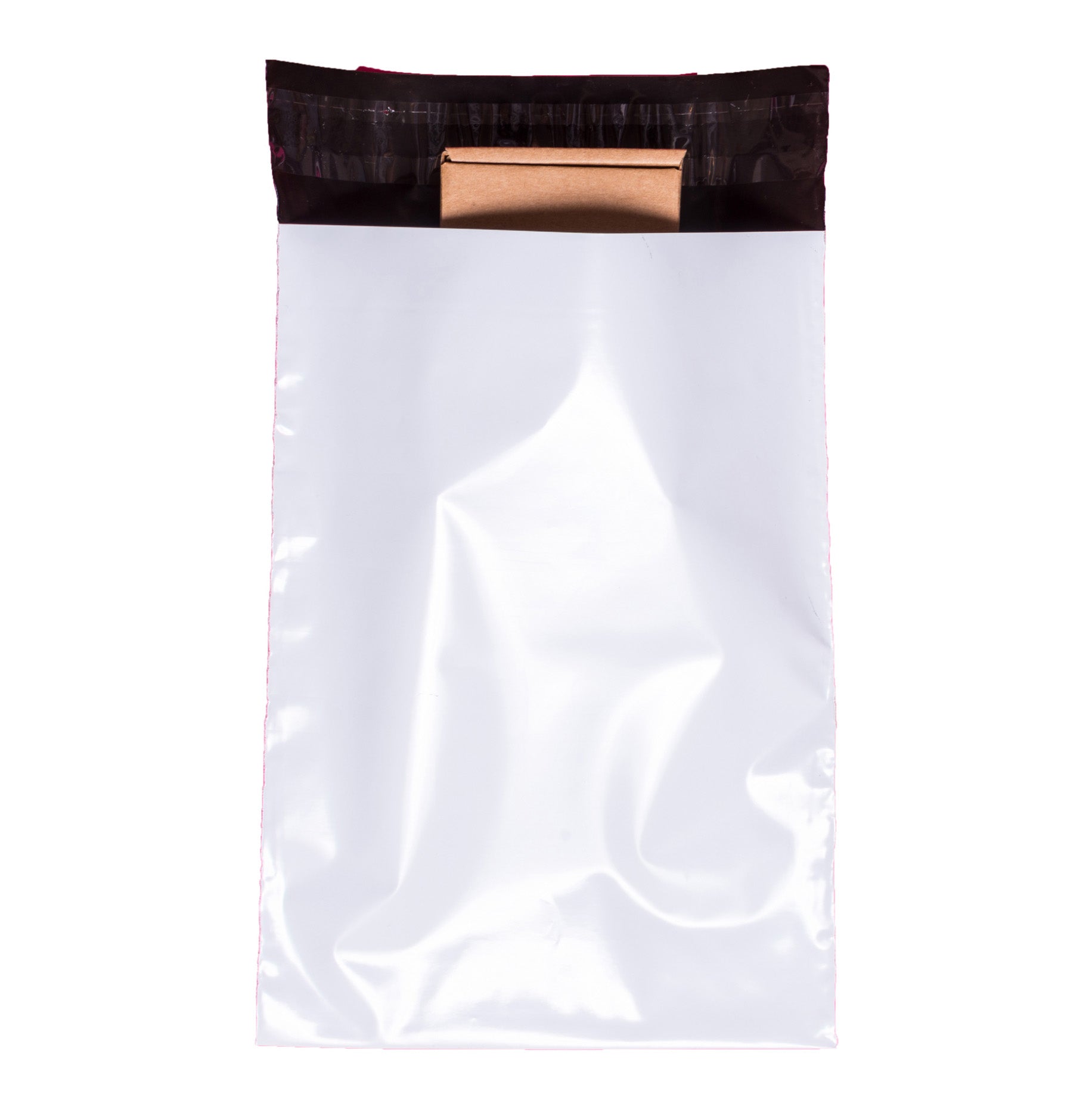
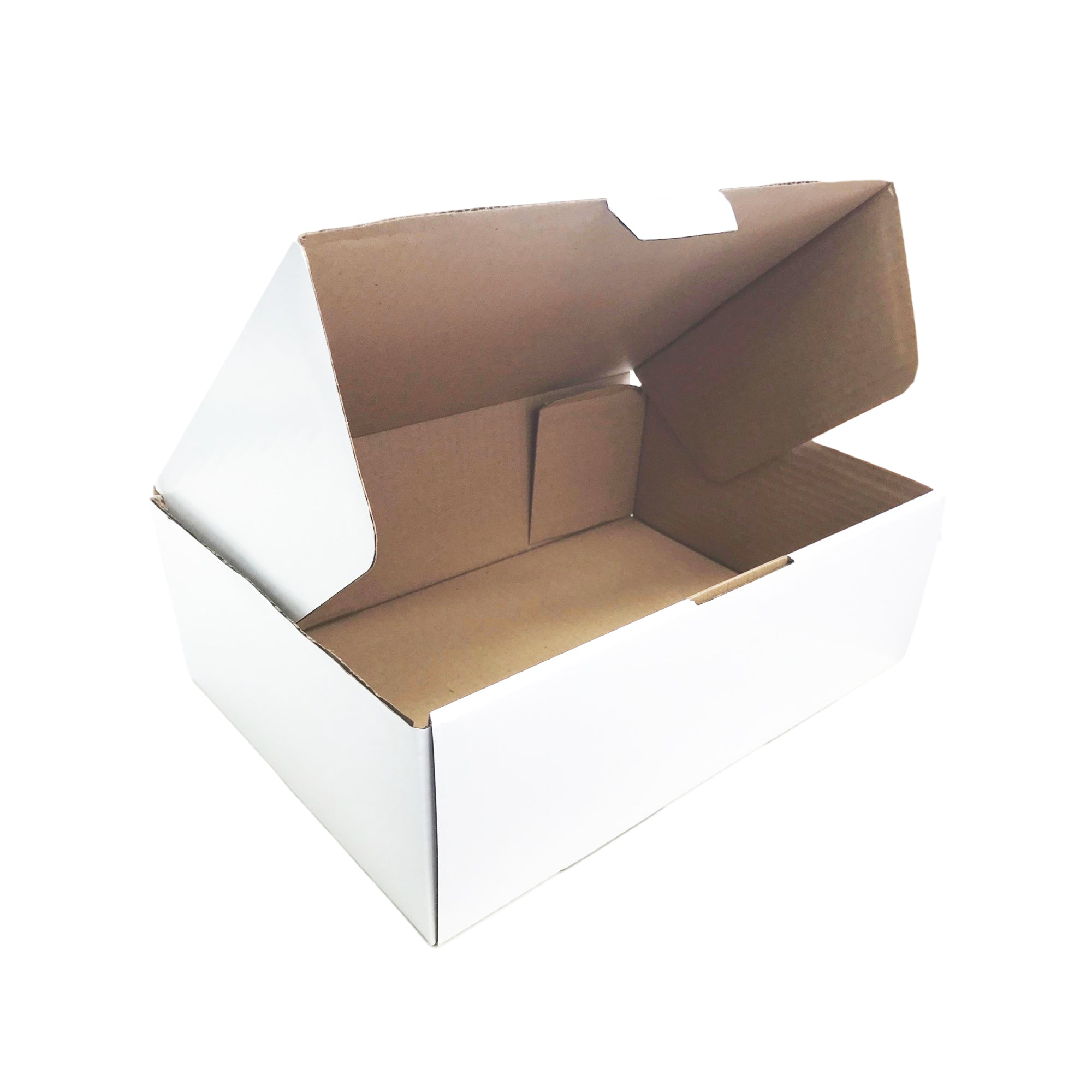
A strong packaging setup usually comes down to two main layers: internal protection and outer packaging. Internal protection absorbs shock and prevents movement inside the box. Materials like bubble wrap are commonly used to cushion delicate components. Outer packaging, typically sturdy mailing boxes, keeps everything contained and protects against external pressure. Each layer plays a role. Skipping one usually leads to problems later.
Which Packaging Materials Work Best for Electronics?
There’s no single “best” material, it depends on what you’re shipping. But a few options consistently perform well:
- Bubble wrap for cushioning and shock absorption
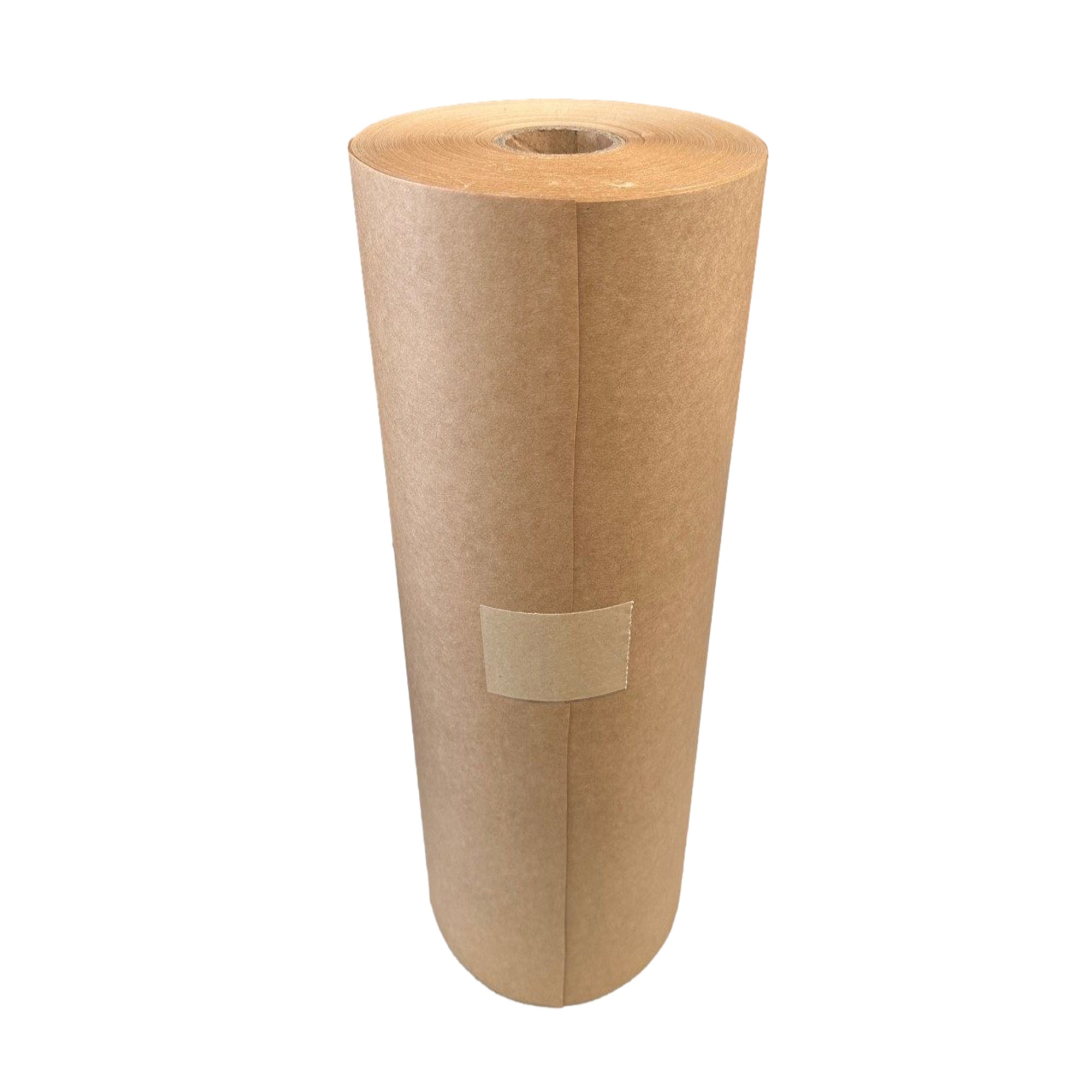
- Foam or paper void fill to prevent internal movement
- Corrugated boxes for structural protection
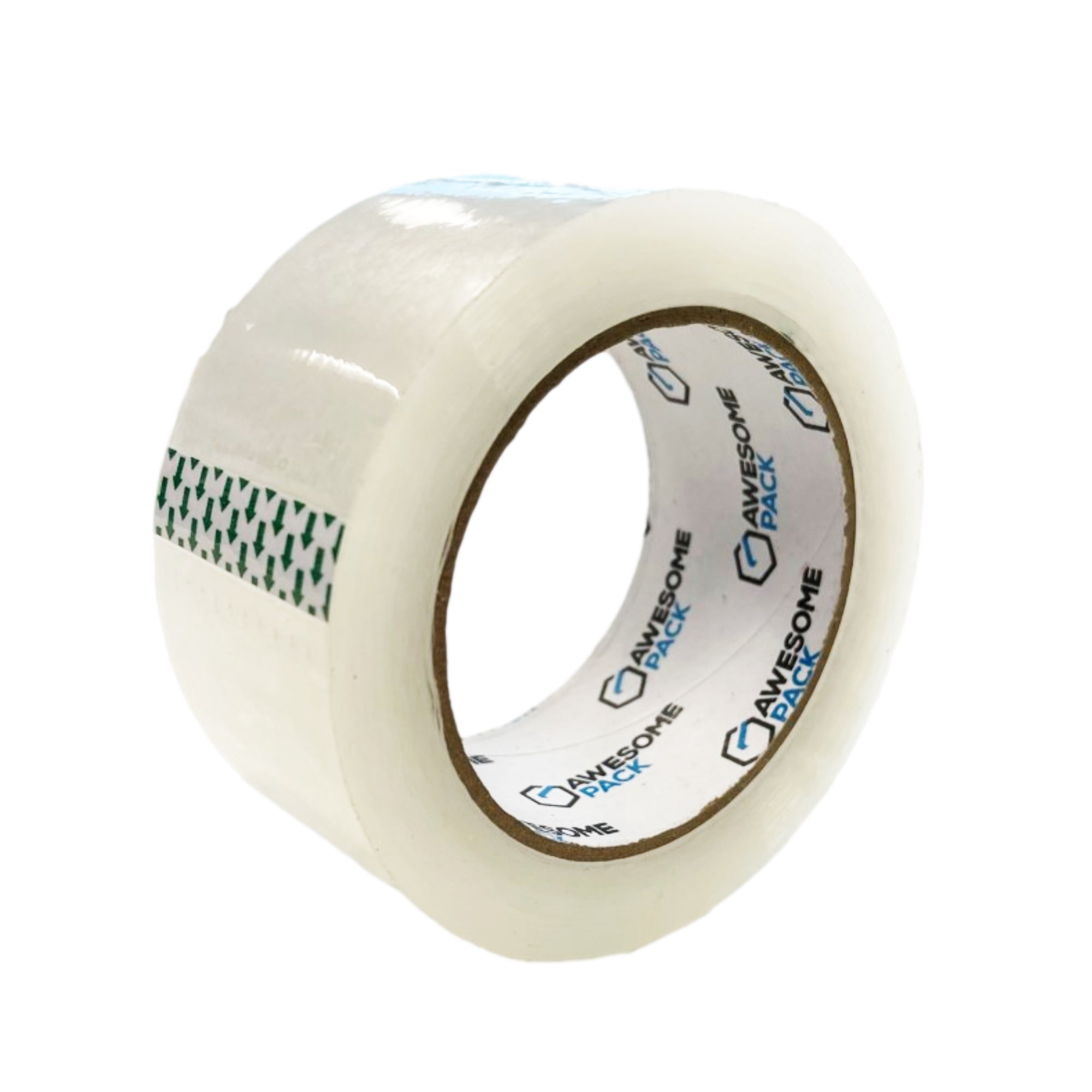
- Packing tape for secure sealing
Using the right combination helps reduce movement, which is one of the main causes of damage during transit. You can explore a full range of options in our protective packaging collection.
How Can You Prevent Damage During Shipping?
Most damage happens when items move, either inside the box or during handling. To minimise this:
- Use snug-fitting boxes to reduce empty space
- Fill any gaps with cushioning material
- Wrap individual items before boxing
- Secure cartons with strong packing tape
- It’s a simple approach, but it works. The goal is to limit movement at every stage.
How Do You Balance Protection and Cost?
Over-packaging can increase costs quickly, especially with high shipping volumes. But under-packaging leads to damage, which is usually more expensive in the long run. A balanced approach works best:
- Use just enough cushioning to prevent movement
- Choose the right box size instead of overfilling
- Standardise packaging materials across your operation
- Test and refine your process over time
Small adjustments can improve both protection and efficiency without increasing costs.
Build a Packaging System You Can Rely On
Protecting electronics isn’t about using more materials, it’s about using the right ones in the right way. A simple, consistent packaging system helps reduce damage, improve customer experience, and keep your operations running smoothly. Once you’ve got that system in place, everything else becomes easier.
If you’re building or improving your packaging setup, it helps to source everything in one place. At Awesome Pack, we offer a wide range of solutions for electronics packaging, All orders come with free shipping and hassle-free returns, making it easier to test and scale your packaging setup. If you’re unsure what combination works best, you can always contact our team for practical advice.