





When to Use Kraft Packing Tape
6 min read
If you’re shipping daily, or even a few times a week, the tape you choose matters more than you think. Kraft packing tape (paper tape) isn’t just the “eco” option; it’s a practical, reliable way to seal cartons securely, cut noise at the pack bench, and present a cleaner, more professional parcel. The key is knowing when kraft paper tape shines, when plastic tape still makes sense, and how to get the most out of each.
What Is Kraft Packing Tape and How Is It Different From Plastic Tape?
Kraft packing tape is made from paper rather than plastic film. There are two main types. Self‑adhesive paper tape uses a pressure‑sensitive adhesive (similar to standard plastic tape), so you apply it with a handheld dispenser and it sticks on contact. Water‑activated paper tape (often called gummed tape) uses a starch‑based adhesive that’s activated with moisture; once wetted, it bonds with the carton fibres for a strong, tamper‑evident seal.
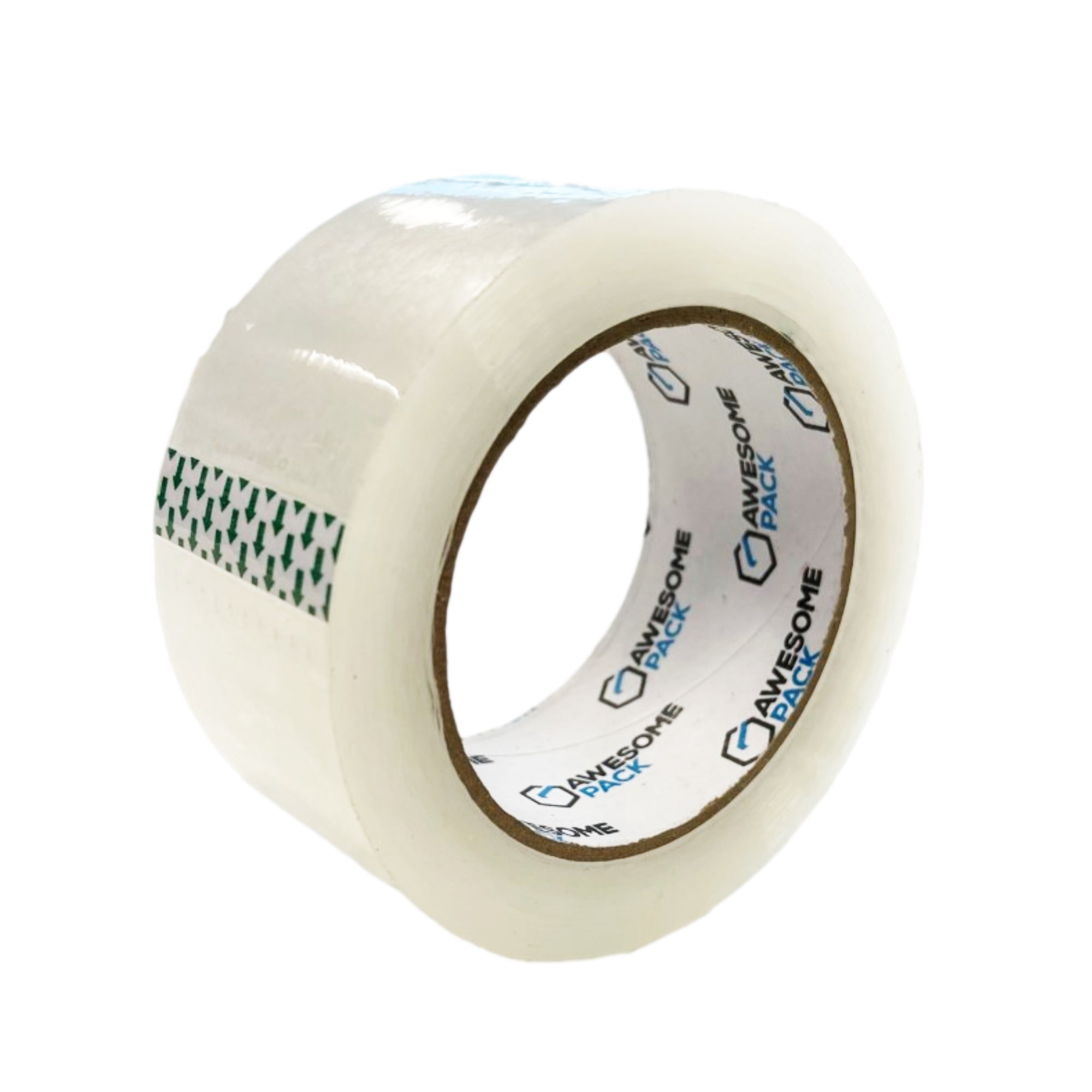
Compared to polypropylene or PVC tapes, kraft options are quieter to apply, look neater on cardboard, and, crucially, are typically easier to recycle along with the box (always check local guidelines). If you’re comparing all options side by side, you’ll find our full packaging tape range covers both paper and plastic choices.
When Does Kraft Paper Tape Outperform Polypropylene or Pvc Tape?
Kraft tape really earns its keep on corrugated cartons, especially those made with recycled fibres or slightly rough surfaces. The paper backing conforms nicely, helping the adhesive make full contact. For longer storage, export shipments, or high‑value goods, water‑activated tape is a solid pick because it forms a fibre‑to‑fibre bond, hard to lift without visible damage. It also looks tidy in a single, central strip, which helps with presentation and speed.
If your brand is moving towards plastic‑reduction or prefers a minimal, natural aesthetic, kraft tape aligns with that look without sacrificing performance. Pair it with snug mailing boxes and you’ve got a shipping setup that’s strong, simple, and on-brand.
How Does Water‑Activated Kraft Tape Work?
Water‑activated tape (WAT) is coated with a starch adhesive that’s inert when dry. A quick pass through a dispenser moistens the glue, which then wicks into the carton surface. As it dries, it creates a robust fibre bond that’s both secure and tamper‑evident, if someone tries to lift it, the box fibres tear.
Choose WAT when you want a dependable one‑strip seal, fewer failed closures, and a tidy finish. It’s especially useful for heavier cartons, stacked pallets, or shipments where seal integrity matters. Explore sizes and variants in our water‑activated tape collection.
When is self‑adhesive paper tape the better option?
If you’re after a quick swap from plastic with minimal change to process, self‑adhesive paper tape is the low‑friction option. It works with a standard handheld dispenser, suits light to medium cartons, and requires no water unit, handy for pop‑up benches or smaller teams.
Can Paper Tape Handle Heavy, Bulky, or Humid Shipments?
Yes, provided you choose the right grade and apply it correctly. For heavier or high‑value cartons, reinforced water‑activated tape (with embedded filaments) offers extra tear resistance and is popular for export and warehousing. As with any tape, clean, properly closed flaps matter. For best results, opt for wider widths and use the H‑seal (one central strip across the join, plus two short cross strips on the ends) for bulkier loads.
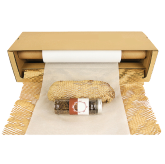
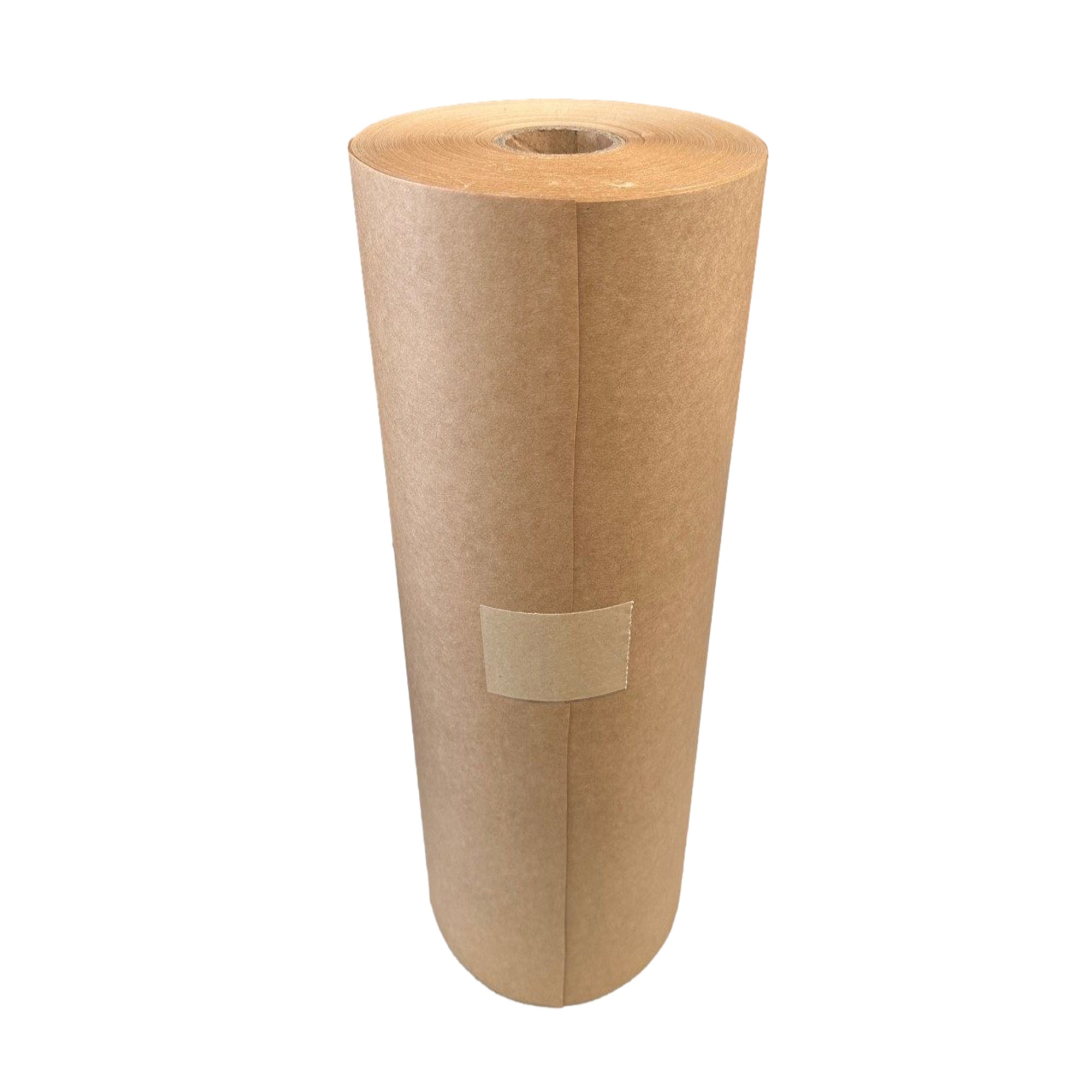
If your environment is particularly humid or dusty, WAT’s fibre bond can give you more peace of mind than basic plastic tape, which relies on surface tack alone. To keep your whole system consistent and plastic‑lean, consider adding kraft paper rolls for wrapping or void fill.
How do you apply kraft tape for a strong, tamper‑evident seal?
Start with the right width, 50–60 mm suits most shippers; go wider for heavy cartons. Close the flaps flush, avoid over‑stuffing, and make sure the top is clean and dry. With water‑activated tape, use a dispenser to wet the adhesive evenly (no dry patches), then lay one straight strip down the centre. For heavier loads, add the two short cross strips at each end to create the H‑seal. Press firmly to ensure full contact and check for any lifted edges before the carton leaves the bench.
What tools make applications faster and more consistent?
For self‑adhesive paper tape, a quality handheld dispenser with a sharp blade speeds work and reduces waste. For WAT, manual dispensers are compact and reliable; electric dispensers pre‑set lengths for faster, repeatable sealing, useful when order volume ramps up. If you need cushioning to match your seal integrity, browse our protective packaging to keep contents from moving in transit.
Is Kraft Packing Tape More Sustainable?
Paper tape is valued for end‑of‑life simplicity: it can typically be recycled with the cardboard carton because the backing is paper and the adhesives are paper‑friendly. That means fewer mixed materials and less time spent separating components, though local council rules can vary, so it’s worth checking. Many businesses also find they use fewer strips when switching to WAT, which reduces overall material usage. If you’re building a lower‑impact packing kit, our eco‑friendly packaging collection is a good place to start.
Does reinforced paper tape still recycle with cartons?
In many areas, yes, cartons sealed with filament‑reinforced paper tape are accepted in kerbside recycling because the overall paper content remains high. Policies differ by council, though, so if you’re using reinforced grades at scale, confirm local guidance.
How Do Costs Compare and What’s the Real Cost per Parcel?
On a per‑roll basis, kraft tapes, especially reinforced WAT, can be pricier than basic poly tapes. But that’s only half the story. Because WAT often seals with a single strip and resists lifting, you tend to use less material per box and see fewer re‑seals or tape‑heavy parcels. Add faster, fixed‑length dispensing and the “cost in use” looks very competitive. The simplest approach is a quick trial: track strips per carton, re‑seal rates, and packing speed for a week to see the real‑world impact.
Buy Kraft Packing Tape in Australia
For reliable, high‑quality options, Awesome Pack stocks both self‑adhesive paper tape and gummed selections, including reinforced grades and multiple widths. You’ll find everything in one place, plus cartons and fillers that complement paper sealing.
Take a look at:
- Water‑activated tape for secure, one‑strip seals
- Packaging tape to compare paper and plastic options
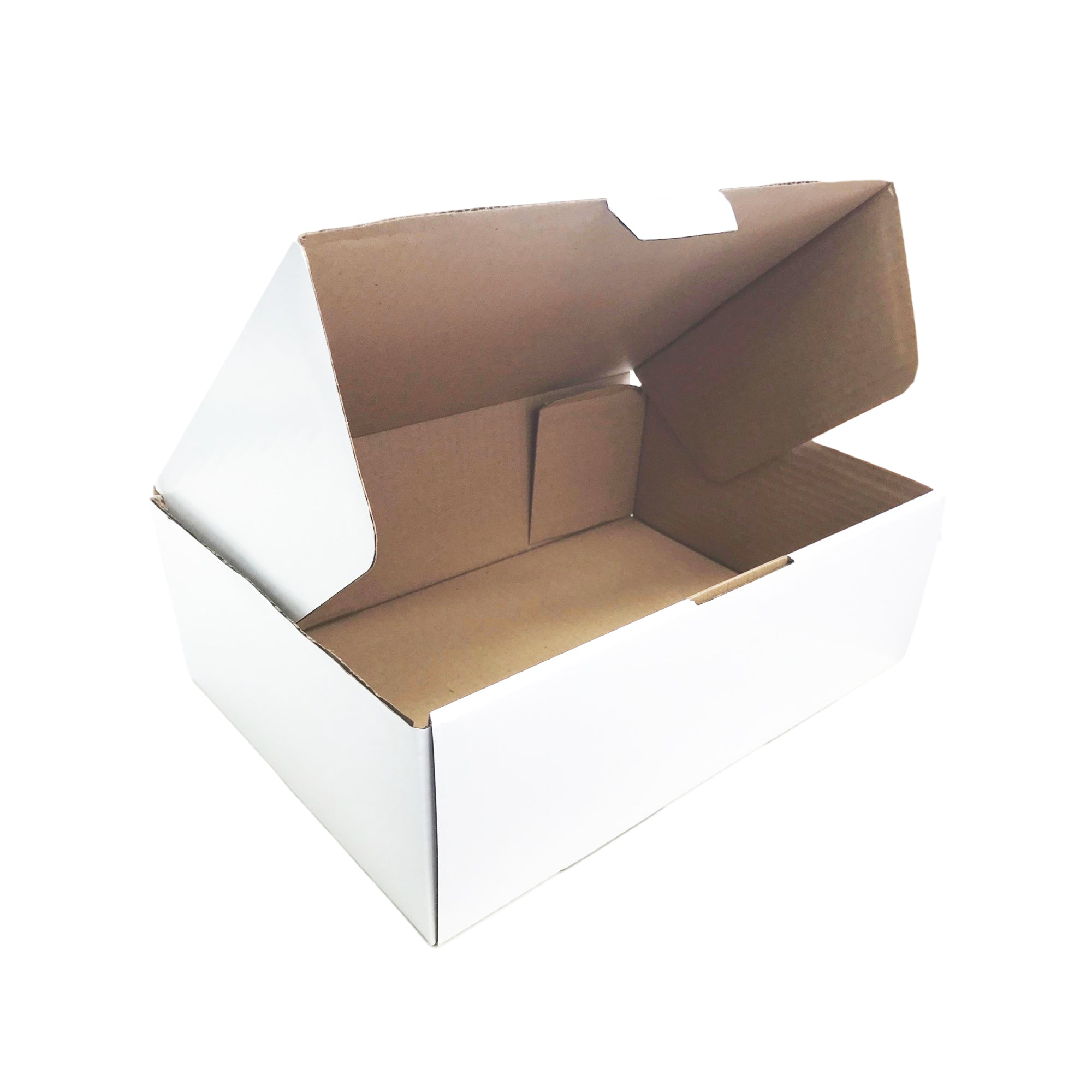
- Mailing boxes for snug, sturdy shipping
Orders are backed by free shipping and hassle‑free returns, and if you’re scaling or need something custom, you can request a custom quote.
Key Takeaways
- Kraft (water‑activated): strongest on cartons; tamper‑evident; often recyclable.
- Plastic PP/PVC: better for poly mailers, glossy surfaces, fast lines.
- Workflow: WAT for one‑strip security; self‑adhesive for quick handheld use.
Make the Switch to Smarter Sealing
Kraft packing tape gives you strong seals, clean presentation, and simpler end‑of‑life, all without complicating your workflow. If you’re weighing up which tape suits your cartons and volume, we’re happy to help you map it out. Contact us for friendly, practical advice or a tailored recommendation.